Is an AGM Battery Worth It? Who Is This Technology Recommended For?
AGM technology is often associated with higher performance, longer service life, and greater electrical stability. That’s why a common question comes up: is an AGM battery worth it? The answer depends on one essential factor: your vehicle’s electrical demand. AGM isn’t simply a “better” battery. It’s a technology designed for specific applications, especially vehicles with high electronic load and advanced energy-management systems. In this article, you’ll learn when AGM is truly necessary, when it’s mandatory, and when it can represent a solid technical upgrade.
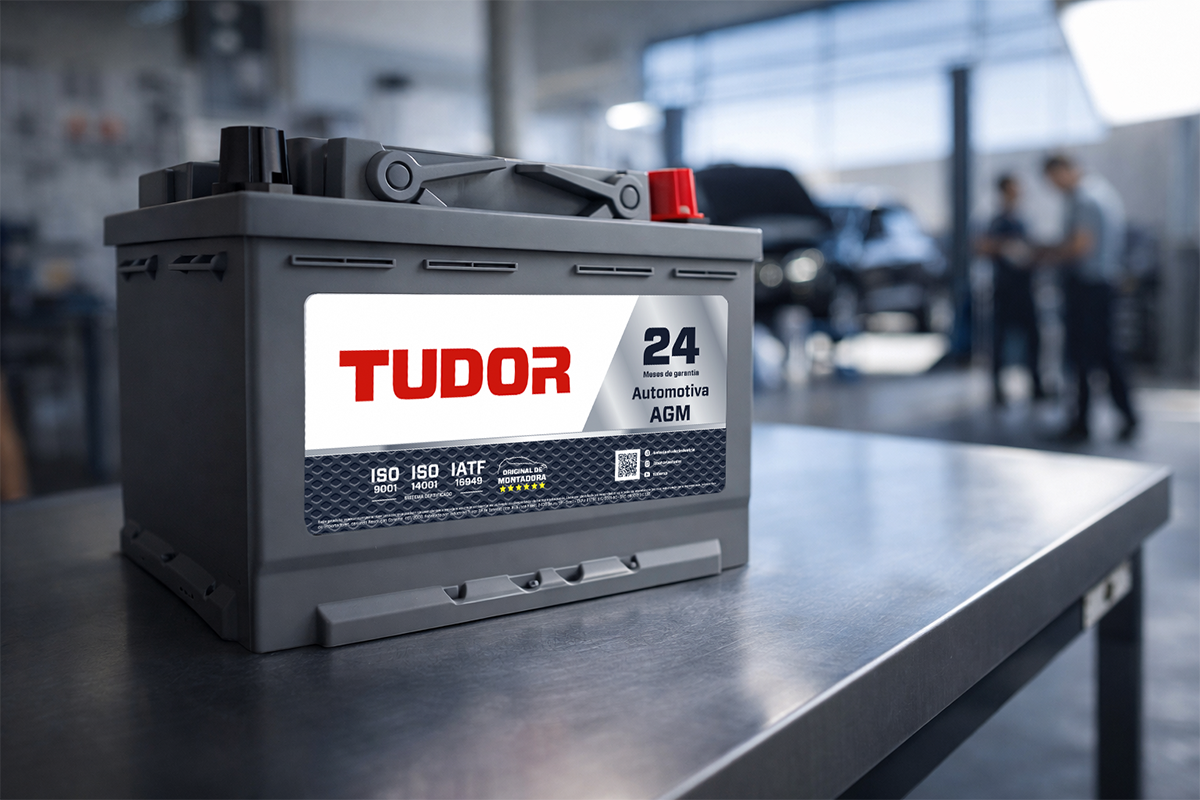
What makes an AGM battery different from other technologies?
An AGM battery uses fiberglass mats to absorb the electrolyte, keeping it immobilized between the plates.
This design delivers:
- Low internal resistance
- High cold cranking amps (CCA)
- More efficient recharging
- Greater resistance to deep discharges
- Superior electrical stability
The full structural differences between AGM and EFB are detailed in the article on the difference between AGM and EFB batteries.
When is an AGM battery mandatory?
AGM is mandatory when the vehicle:
- Came from the factory with an AGM battery
- Has advanced Start-Stop
- Uses regenerative braking energy recovery
- Has a Battery Management System (BMS) calibrated for AGM
- Has a high density of electronic control modules
In these cases, it’s not a matter of preference.
Replacing AGM with an inferior technology is a technical downgrade.
That mistake can cause:
- Start-Stop deactivation
- Electrical fluctuations
- System overload
- Reduced battery service life
When is an AGM battery actually worth it?
AGM is worth it when:
- The vehicle requires it from the factory
- Driving is severe, with many starts per day
- The car is used mostly in heavy urban traffic
- Additional electrical accessories have been installed
- The driver wants a higher durability margin
For vehicles originally equipped with EFB, an upgrade to AGM can be technically viable, as long as electrical and size compatibility are respected.
Does AGM last longer than other batteries?
Under equivalent usage conditions, yes.
AGM can handle:
- A higher number of charge and discharge cycles
- Deeper discharges
- Greater temperature variation
- Higher vibration levels
This tends to translate into longer service life, as long as the application is correct.
Still, lifespan also depends on factors like driving pattern and maintenance, as explained in the article on mistakes that reduce battery life.
Is it worth installing AGM in a car without Start-Stop?
In most cases, there’s no technical need.
If the vehicle was designed for a conventional battery and doesn’t have high electrical demand, AGM won’t deliver a return proportional to the added cost.
A more advanced technology only provides real benefits when the vehicle’s electrical system actually requires that level of performance.
Does AGM improve electrical stability?
Yes.
AGM’s low internal resistance reduces voltage drop during starting, protecting sensitive modules and reducing intermittent faults.
This stability is especially important in vehicles with multiple electronic modules and integrated communication networks.
What should you consider before installing AGM?
Before replacing the battery, it’s essential to check:
- The vehicle’s original specification
- Recommended CCA
- Physical fitment/size compatibility
- Whether a BMS reset is required
Correct installation procedures are critical to preserve service life, as explained in the automotive battery replacement guide.
Conclusion
An AGM battery is worth it when the vehicle requires high electrical performance or when the original specification calls for AGM.
It’s not a choice based only on being “better”, but on meeting a specific technical requirement.
Practical summary:
- If the vehicle came with AGM, stick with AGM.
- If it came with EFB, an upgrade may be possible.
- If it uses a conventional battery, evaluate whether there’s a real technical need.
Tudor’s AGM battery line is engineered for high electrical-demand applications, delivering stability and reliability to the vehicle’s electrical system.
If you’re unsure which technology is right for your vehicle, contacting Tudor’s technical team is the safest way to confirm the correct specification and avoid replacement mistakes.
Read also

What happens when a car sits unused for a long time?
Not every vehicle is driven long distances every day. Many people own a second car, use their vehicle only on weekends, or leave it unused during extended trips. Although this situation may seem harmless, long periods without use can directly affect the automotive battery. Even with the engine turned off, some vehicle systems continue to consume power, and the battery itself naturally loses charge over time. If this period is prolonged, the risk of discharge, sulfation, and reduced service life increases significantly. Understanding what happens when a car remains unused for a long time helps preserve the battery and avoid surprises when it is time to use the vehicle again.
Continue reading
Automotive battery and alternator: what is the relationship between them?
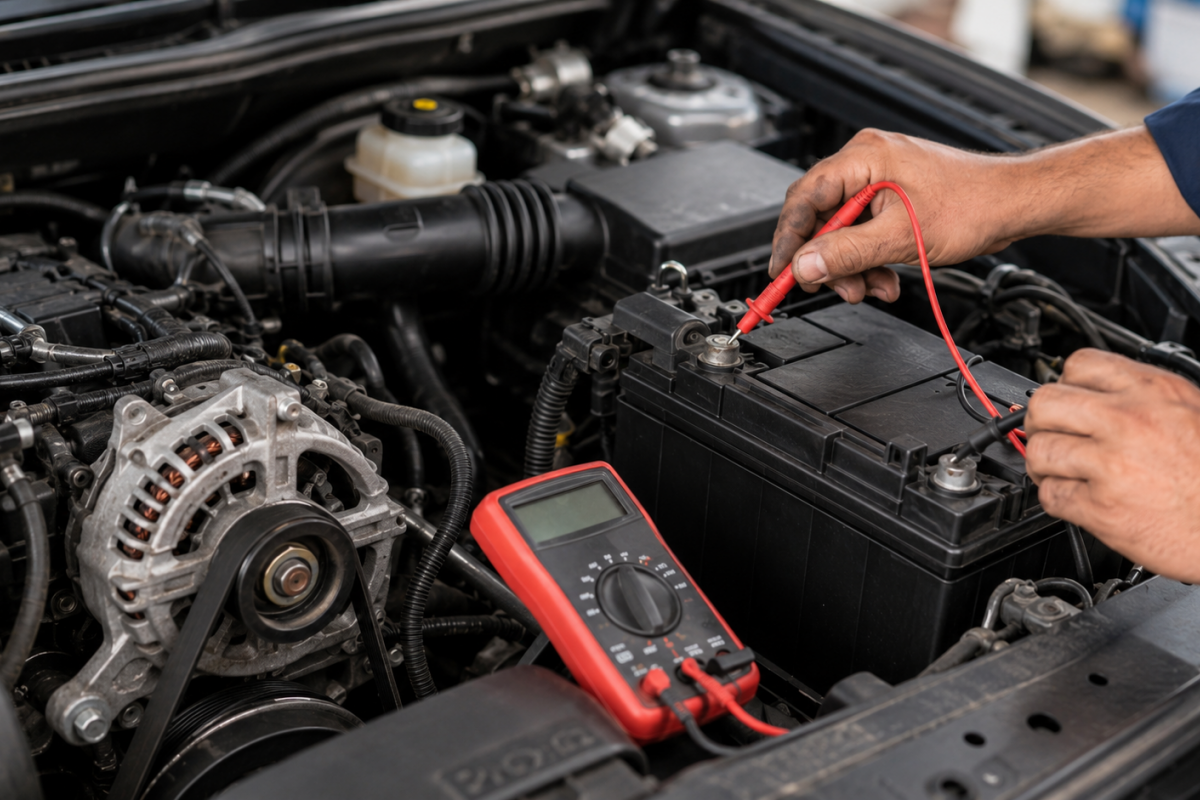
It is common for a driver to experience difficulty starting, find the battery dead, and quickly conclude that it is time to replace it. However, the problem is not always the battery. The battery and the alternator work together to keep the vehicle's electrical system running correctly. When one of these components fails, the other ends up being affected as well, which can generate very similar symptoms and make diagnosis difficult. Therefore, understanding how the battery and alternator work together is essential to identify the source of possible failures and ensure that the electrical system operates safely and efficiently. When the battery needs to be replaced, it is also important to check whether the charging system is operating correctly to preserve the performance of the new component.
Continue reading

How temperature influences the useful life of the automotive battery
The automotive battery is constantly exposed to different environmental conditions. In some regions, intense heat predominates for much of the year. In others, lower temperatures become a challenge for the vehicle's electrical system. Although many drivers associate battery problems only with usage time, temperature is one of the factors that most influences its durability and performance. Both excessive heat and intense cold affect the chemical reactions that take place inside the battery, accelerating wear processes and reducing its ability to supply energy.
Continue reading