Does an automatic car demand more from the battery? Learn how to choose
The popularization of automatic cars has changed the way a vehicle’s electrical system works. Unlike simpler manual models, these vehicles rely on a larger network of electronic modules, sensors, and systems that require constant power and stable voltage to operate properly. For this reason, when the question arises about the best battery for an automatic car, the answer is not only about the brand or price, but mainly about the correct specification, the technology, and the ability to handle the system’s electrical demand.
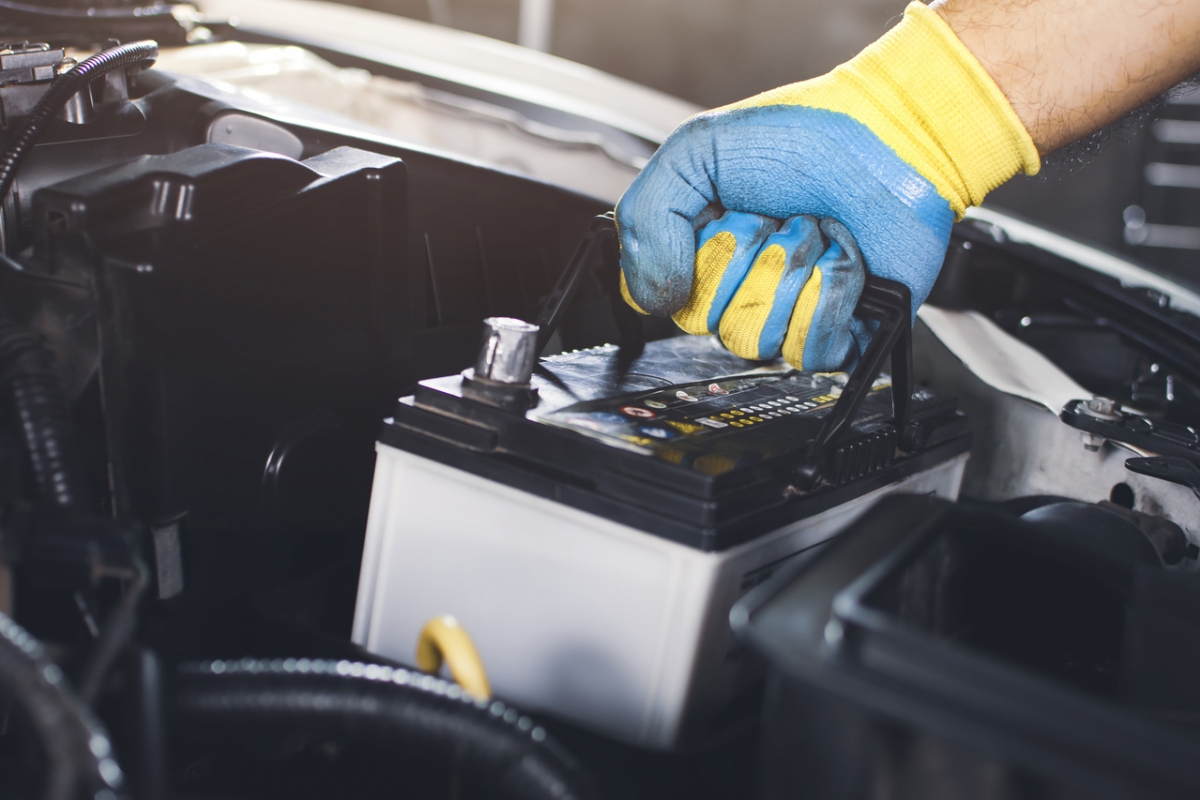
What is the role of the battery in an automatic car?
In automatic cars, the battery goes far beyond the function of starting the engine. It is responsible for powering and stabilizing several electronic systems, such as:
- Automatic transmission modules
- Electronic sensors of the transmission and engine
- Comfort and safety systems
- Electronic control units that remain active even when the vehicle is turned off
In practice, this means the battery is working all the time. Even when the car is parked, there is constant electrical consumption, and any voltage variation is quickly detected by the system.
That is why symptoms such as dashboard warnings, multimedia system resets, or intermittent failures appear more frequently when the battery begins to lose efficiency, a situation commonly detailed in content about how to identify signs that a car battery is reaching the end of its service life.
What changes when choosing a battery for an automatic car?
The main difference when choosing a battery for an automatic car is the level of electrical demand. Even automatic models without start-stop systems usually require more energy than equivalent manual versions.
Therefore, battery selection must consider:
- Correct amperage according to the vehicle’s electrical design
- Ability to maintain stable voltage even under constant load
- Technology suited to the type of use and onboard electronics
- Manufacturing quality, which directly affects electrical reliability
Ignoring these factors can lead to frequent discharges or failures that many drivers interpret as transmission problems, when in fact the root cause is the battery.
Does a higher amperage solve the problem?
Not always. This is a very common mistake.
Many drivers believe that installing a battery with higher amperage is a way to “reinforce” the electrical system of an automatic car. In practice, the amperage should strictly follow what is specified by the vehicle manufacturer.
Increasing amperage without proper criteria can cause incompatibilities, overload components, and does not guarantee greater electrical stability, as explained in articles about the difference between 50Ah and 60Ah batteries.
In automatic cars, respecting the correct specification is far more important than simply choosing a larger battery.
Does an automatic car use an AGM or EFB battery?
This varies depending on the model and the level of onboard technology.
Some automatic cars use reinforced conventional batteries. Others, especially those with start-stop systems or higher standby electrical consumption, require technologies such as EFB (Enhanced Flooded Battery) or AGM (Absorbent Glass Mat).
These technologies were developed to support:
- A higher number of charge and discharge cycles
- Fast and frequent recharging
- Voltage stability even under high electrical demand
Using a conventional battery in a vehicle that requires EFB or AGM may work at first, but it tends to cause accelerated wear, recurring failures, and a significant reduction in service life. This topic is further explored in content about cars that use AGM and EFB batteries.
Why automatic cars are more affected by a weak battery
Automatic cars are more sensitive to electrical instability. While a manual car may “tolerate” a weak battery for a longer time, an automatic vehicle usually shows symptoms as soon as the first signs of efficiency loss appear.
The most common ones are:
- Dashboard warnings with no apparent mechanical failure
- Multimedia system turning off or restarting
- Difficulty starting the engine
- Frequent discharges
When these discharges start happening often, it is worth checking content such as “battery discharging every week: what could be happening,” which helps distinguish natural wear from electrical problems.
In summary, automatic cars require more attention when choosing a battery:
- They have higher electrical demand
- They are more sensitive to voltage fluctuations
- They require strict compliance with the manufacturer’s specifications
- They do not always need higher amperage
- Some models require technologies such as EFB or AGM
- Quality and electrical stability make a real difference
Batteries developed with strict technical criteria and correctly applied to the vehicle tend to deliver more predictable electrical behavior, greater stability, and better use of service life, even under intense urban driving conditions.
In this context, Tudor batteries are developed with different technologies to meet various levels of electrical demand, contributing to greater stability and compatibility with modern systems.
If you still have doubts about which battery to choose for your automatic car, contact Tudor. Specialized technical support can help identify the correct specification according to your vehicle and usage pattern.
Read also
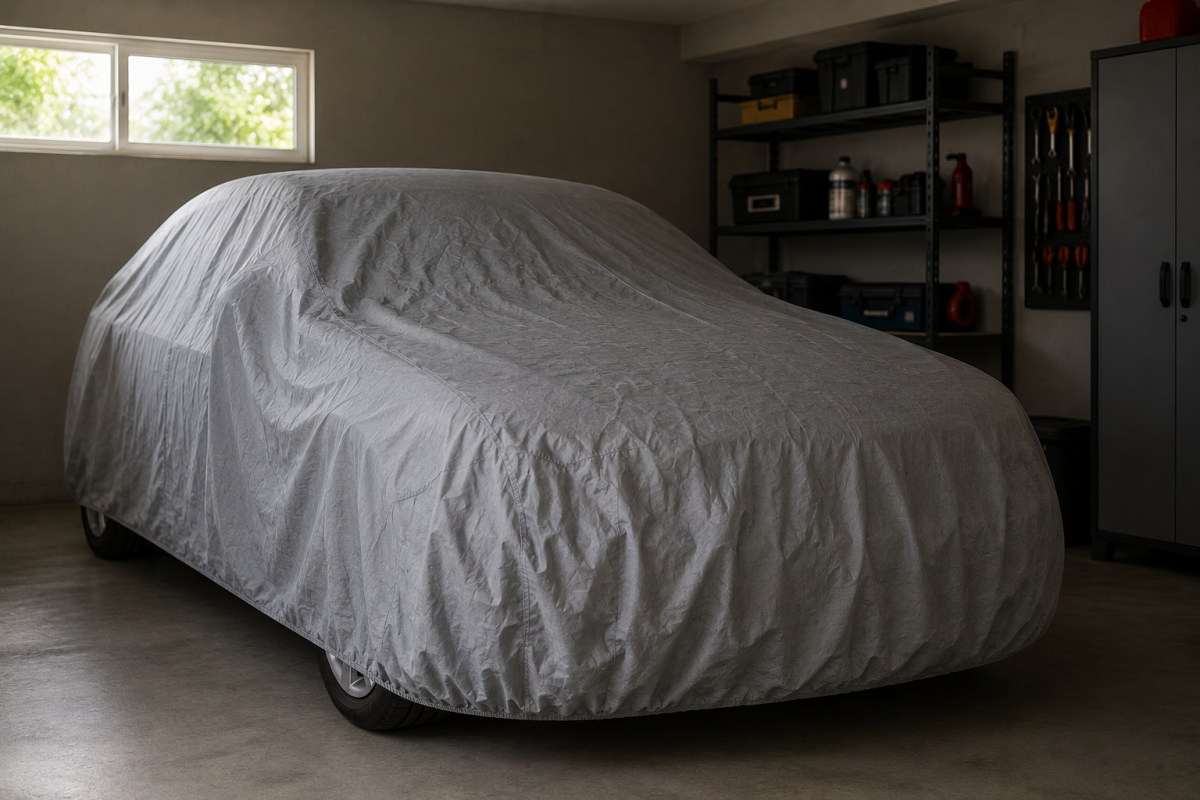
What happens when a car sits unused for a long time?
Not every vehicle is driven long distances every day. Many people own a second car, use their vehicle only on weekends, or leave it unused during extended trips. Although this situation may seem harmless, long periods without use can directly affect the automotive battery. Even with the engine turned off, some vehicle systems continue to consume power, and the battery itself naturally loses charge over time. If this period is prolonged, the risk of discharge, sulfation, and reduced service life increases significantly. Understanding what happens when a car remains unused for a long time helps preserve the battery and avoid surprises when it is time to use the vehicle again.
Continue reading
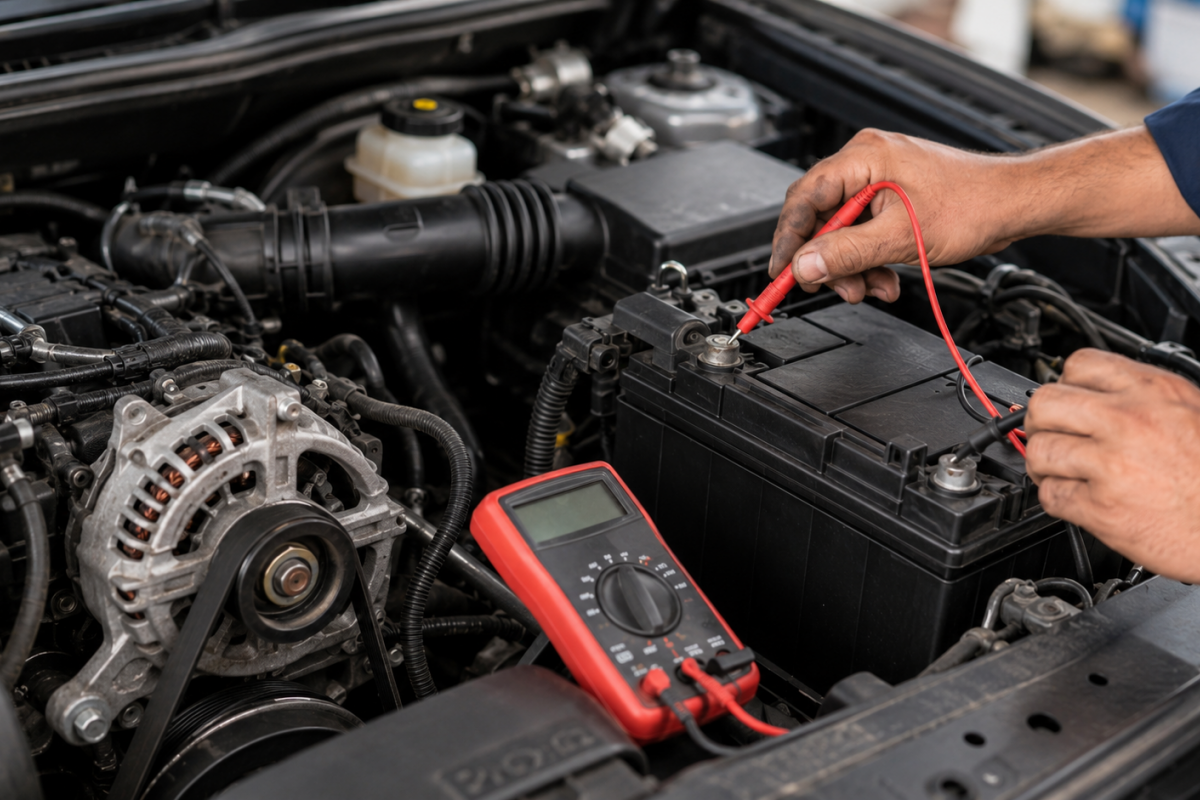
Automotive battery and alternator: what is the relationship between them?
It is common for a driver to experience difficulty starting, find the battery dead, and quickly conclude that it is time to replace it. However, the problem is not always the battery. The battery and the alternator work together to keep the vehicle's electrical system running correctly. When one of these components fails, the other ends up being affected as well, which can generate very similar symptoms and make diagnosis difficult. Therefore, understanding how the battery and alternator work together is essential to identify the source of possible failures and ensure that the electrical system operates safely and efficiently. When the battery needs to be replaced, it is also important to check whether the charging system is operating correctly to preserve the performance of the new component.
Continue reading
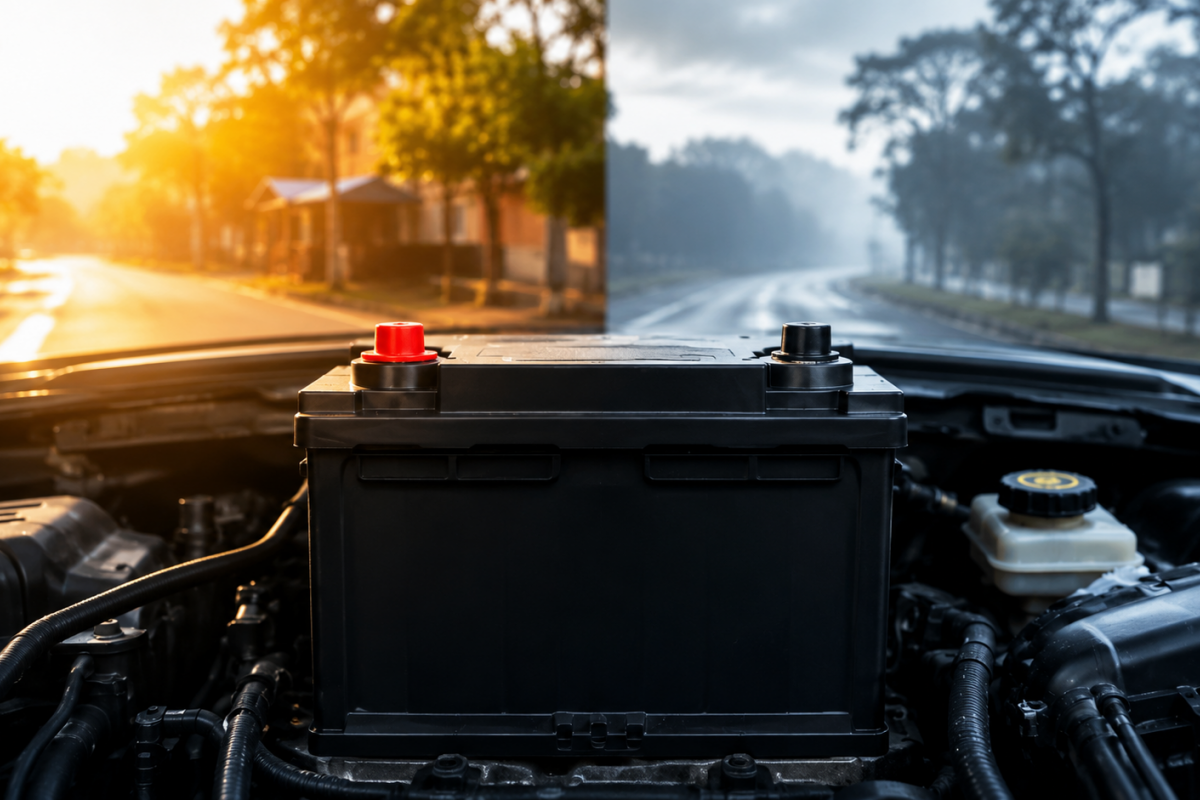
How temperature influences the useful life of the automotive battery
The automotive battery is constantly exposed to different environmental conditions. In some regions, intense heat predominates for much of the year. In others, lower temperatures become a challenge for the vehicle's electrical system. Although many drivers associate battery problems only with usage time, temperature is one of the factors that most influences its durability and performance. Both excessive heat and intense cold affect the chemical reactions that take place inside the battery, accelerating wear processes and reducing its ability to supply energy.
Continue reading