Why the Onix Requires Care in Choosing a Battery
Unlike older vehicles, the Onix has:
- A higher number of electronic modules
- Energy management systems
- Components sensitive to voltage variations
- This means that even small differences in the battery can cause noticeable effects, such as intermittent faults or premature discharge.
These symptoms are often mistaken for electrical defects when, in fact, they are related to the battery, as explained in the article on signs of a weak battery.
Correct Battery Specifications for Each Onix Generation
Chevrolet has implemented different electrical configurations throughout the Onix generations. Therefore, the main rule is always to respect the original factory specification, which varies depending on the engine and level of electrical equipment.
The table below summarizes the battery specifications for the main Chevrolet Onix versions:
| Onix Version |
Year |
Engine |
Amperage (Ah) |
Technology |
| Onix G1 / Joy |
2012–2019 |
1.0 Aspirated |
50Ah |
Conventional (SLI) |
| Onix G1 |
2012–2019 |
1.4 Aspirated |
60Ah |
Conventional (SLI) |
| New Generation |
2020 onward |
1.0 Aspirated |
50Ah |
Conventional (SLI) |
| New Generation |
2020 onward |
1.0 Turbo (Without Start-Stop) |
60Ah |
Conventional (SLI) |
| New Generation |
2020 onward |
1.0 Turbo (With Start-Stop) |
70Ah or 72Ah |
EFB (Enhanced Flooded Battery) |
Technical note: Both Onix G1 and the New Generation use batteries with the positive terminal on the right side and a standard high-case design.
Can I Use a Larger Battery in the Onix?
This is a common question among owners. However, using a larger battery is not always safe or recommended.
Using a battery outside the specification can cause:
- Problems in the charging system
- Incomplete recharges
- Premature wear
This topic is explained in detail in the article can I use a larger battery in my car?, which explores the risks of this practice.
For the Onix, amperage should only be changed if there is technical backing and compatibility with the electrical system.
Onix with Start-Stop and the Need for EFB Technology
The more equipped versions of the new Onix, generally with the 1.0 Turbo engine, feature a Start-Stop system that turns off the engine during short stops to reduce fuel consumption and emissions.
This system drastically increases the number of engine starts throughout the day and requires that the battery:
- Supports frequent charge and discharge cycles
- Maintains electrical stability with the engine off
- Has a higher energy reserve
Therefore, in these cases, the battery must be EFB, with a capacity of 70Ah or 72Ah. EFB technology uses reinforced plates and is designed for cyclic applications, unlike conventional batteries.
This is detailed in the article All About Start-Stop: Which Battery Is Ideal for This System.
Important Warning
Installing a conventional battery in an Onix with Start-Stop can result in:
- System deactivation
- Dashboard warnings
- Premature battery failure within a few months
Why Doesn’t the Onix Use AGM Batteries?
A common question is why the Onix with Start-Stop doesn’t use AGM batteries, since this technology is also designed for cyclic applications.
The answer lies in the battery’s location in the vehicle.
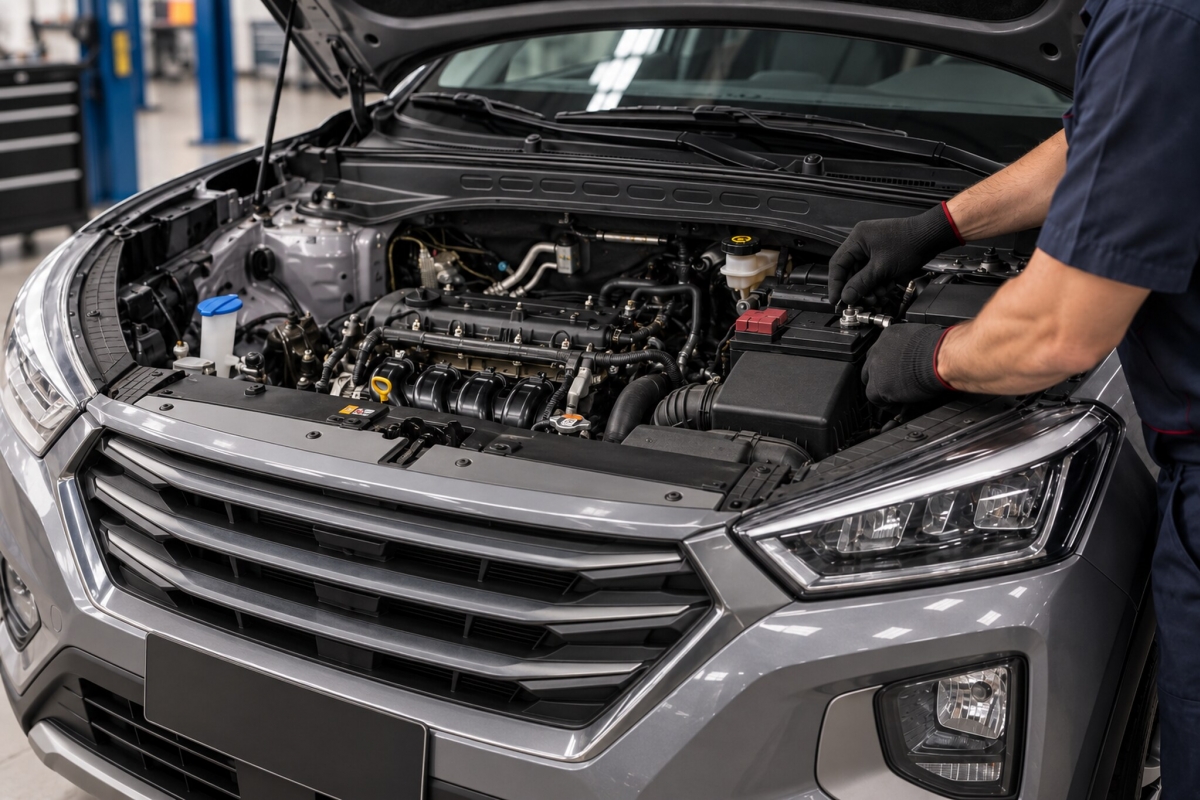
In the Chevrolet Onix, the battery is installed in the engine bay, exposed to higher temperatures, especially under intense urban use and tropical climates. EFB batteries are designed to operate with higher thermal tolerance in this environment.
AGM batteries, while highly efficient in cycles, are more heat-sensitive and are typically used in vehicles where the battery is located in the trunk or under the seats, away from the heat of the engine.
This decision is part of the vehicle’s engineering and reinforces the importance of respecting the manufacturer’s defined specification.
The Importance of CCA in the Chevrolet Onix
In addition to amperage, the CCA (Cold Cranking Amps) is a critical factor.
In general:
- 1.0 aspirated engines require a minimum CCA around 340A
- 1.4 and 1.0 Turbo engines require a higher CCA, between 440A and 520A
A battery with CCA below the recommended level can cause slow starts and increased starter motor effort, as explained in the article What Is Battery CCA?
The Importance of Tudor Batteries for the Onix
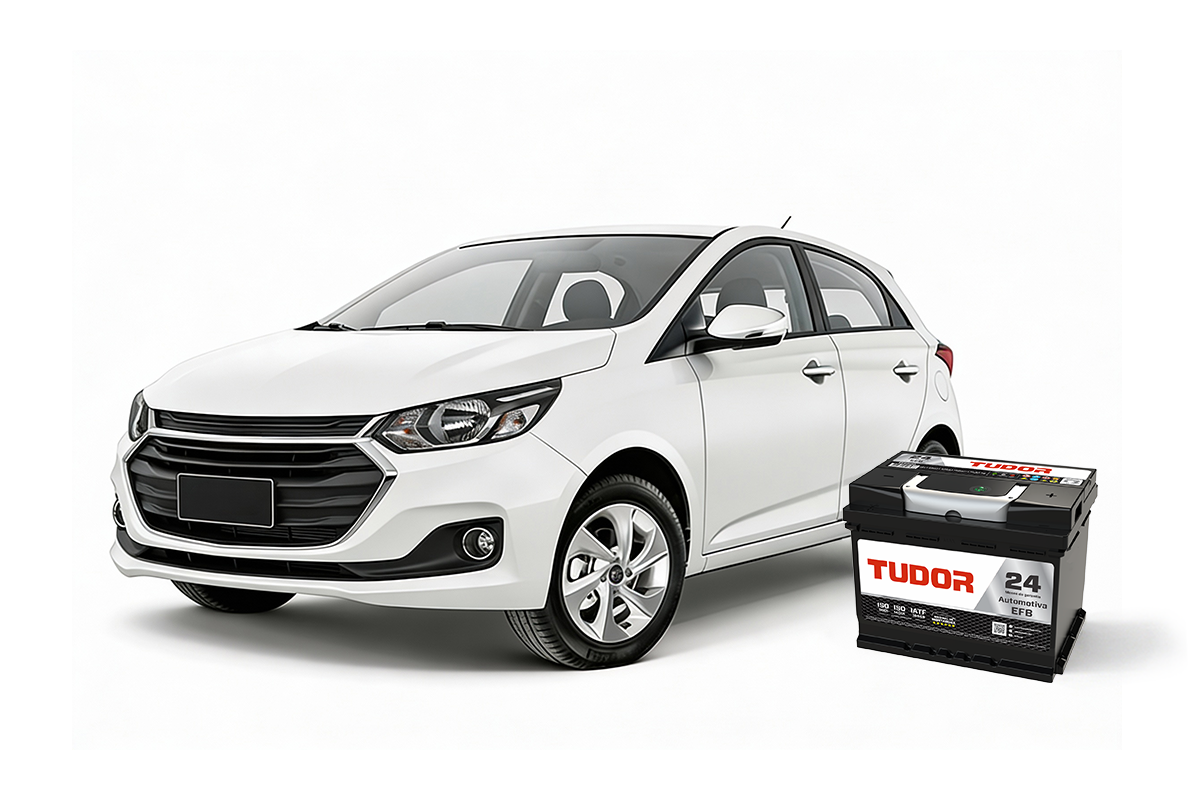
Tudor batteries are designed to meet the different electrical demands of the Onix, respecting factory specifications.
- For conventional versions: 50Ah and 60Ah models with proper CCA and electrical stability
- For Start-Stop versions: EFB batteries designed to handle cyclic use and maintain proper system function
Choosing the correct battery is essential to preserve electrical stability and the durability of vehicle components.
Summary
The Onix requires that battery selection be done with technical criteria, considering:
- Vehicle year and generation
- Engine type
- Correct amperage
- Compatible CCA
- Appropriate technology, especially in Start-Stop versions
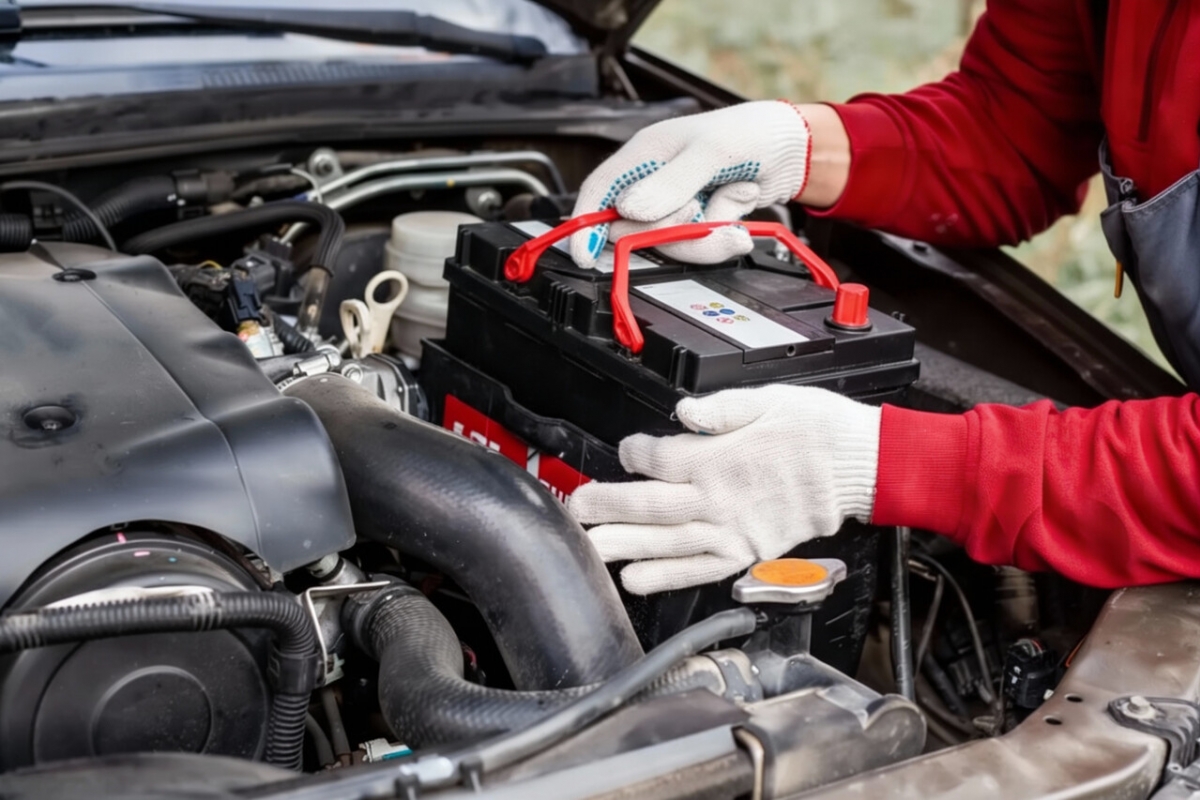
Battery replacement should be treated as a technical procedure, not just a simple swap.
To continue learning about automotive batteries and find out which model is most suitable for your car, visit the Tudor blog for more technical content.
If you still have doubts, specialized Tudor technical support can guide you in choosing the ideal battery for your Onix, based on its version and usage patterns.