How long does a motorcycle battery last? Understand its real lifespan
A motorcycle battery is an essential component for the electrical system and starting process, and it often raises many questions among riders. Unlike cars, motorcycles have simpler electrical systems, but they operate under conditions that can accelerate battery wear.
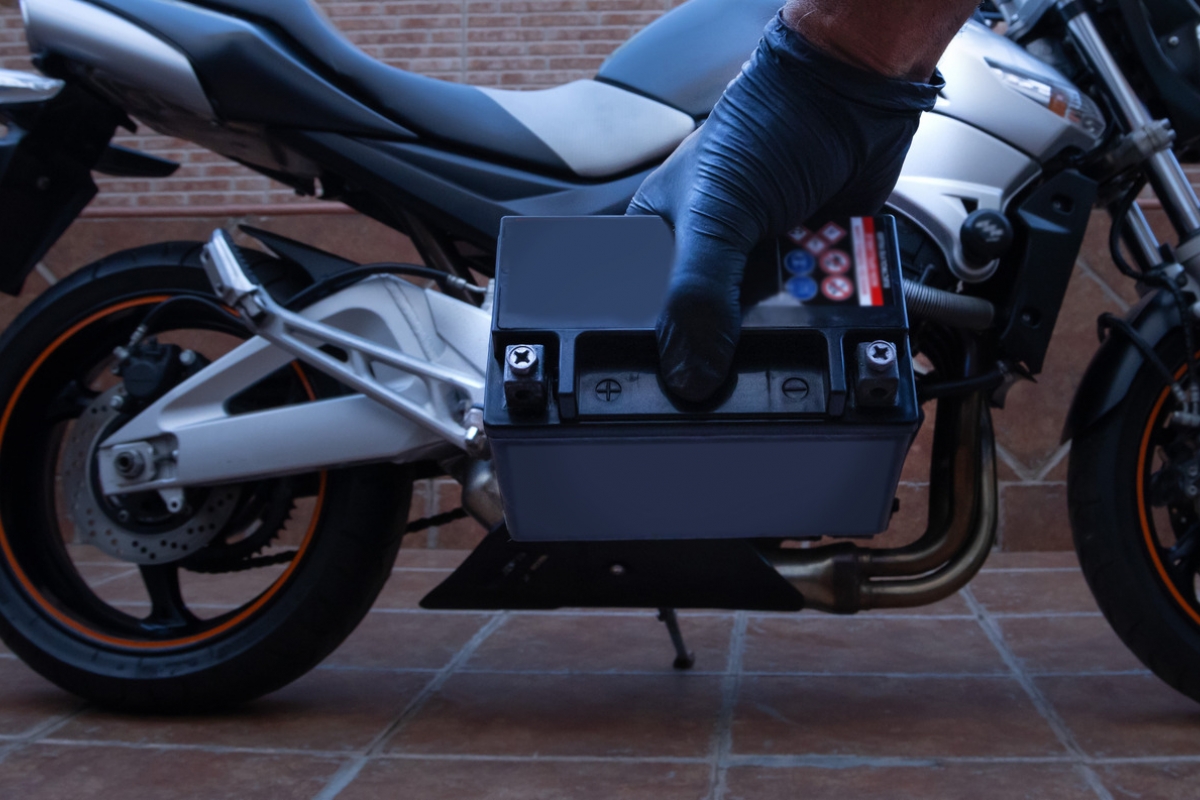
How long does a motorcycle battery last on average?
The average lifespan of a motorcycle battery usually ranges between 2 and 4 years.
This range can be longer or shorter depending on factors such as usage, type of motorcycle, battery technology, and daily care. In some cases, the battery may start losing efficiency even before completing two years.
Why does a motorcycle battery last less than a car battery?
A motorcycle battery tends to have a shorter lifespan for a few specific reasons. The main ones are:
- Lower energy storage capacity compared to automotive batteries
- Greater exposure to vibration, which affects internal components
- Direct exposure to heat, rain, and weather variations
- Low frequency of use, common in motorcycles that stay parked for several days
In addition, it is common for motorcycles that are not used for work to remain unused for long periods, especially high-displacement bikes that are mainly used for leisure. Even when turned off, the motorcycle continues to consume small amounts of energy, which contributes to gradual battery discharge over time.
Does the type of battery affect its lifespan?
Yes. Battery technology has a direct impact on lifespan.
The most common types used in motorcycles are:
- Conventional battery: requires more attention, is more sensitive to vibration, and tends to have a shorter lifespan
- AGM battery: sealed, more resistant to vibration, offers better electrical stability, and requires less maintenance
Currently, most modern motorcycles use AGM batteries precisely because they better withstand typical motorcycle usage conditions, such as constant vibration and climate variations.
What habits reduce a motorcycle battery’s lifespan?
Some daily habits accelerate battery wear without the rider realizing it. In most cases, the problem is not the battery itself, but how the motorcycle is used or left parked.
The most common ones are:
- Leaving the motorcycle unused for long periods
This is one of the most common causes of premature failure. When the bike remains unused for a long time, the battery undergoes a natural slow discharge. If this happens repeatedly, sulfation occurs — an accumulation of crystals on the internal plates that makes recharging difficult and reduces energy storage capacity.
- Frequent short trips
Very short rides, usually under 15 to 20 minutes, do not allow the charging system to fully replenish the energy used during startup. As a result, the battery constantly operates at a low charge level, which accelerates internal degradation.
- Deep discharge, when the battery “dies” completely
Allowing the battery to fully discharge is not just inconvenient. This type of discharge damages internal cells and permanently reduces the battery’s ability to hold a charge, even after recharging.
- Exposure to extreme temperatures
Excessive heat accelerates internal chemical reactions and plate wear. Intense cold makes it harder for the battery to deliver sufficient power, especially during startup. Both extremes reduce lifespan over time.
- Loose or corroded connections
Dirty, oxidized, or poorly secured terminals create electrical resistance. This prevents proper current flow, affects charging, and causes the battery to lose energy even when the system appears to be working.
- Incorrect installation of electrical accessories
Alarms, trackers, USB chargers, or other accessories installed without proper technical criteria can create continuous power consumption when the motorcycle is turned off. This type of current leakage is a frequent cause of premature battery discharge.
- Overcharging or undercharging caused by charging system failures
Problems with the voltage regulator or charging system can cause the battery to receive more or less charge than ideal. Both situations are harmful and significantly reduce battery lifespan.
These habits make the battery constantly operate outside ideal conditions, accelerating wear and bringing forward the need for replacement.
How to increase motorcycle battery lifespan?
Some simple care practices make a big difference in a motorcycle battery’s lifespan. In most cases, nothing complex is needed — just attention to usage, maintenance, and periods when the bike is parked.
During motorcycle use:
- Use the motorcycle regularly
Riding regularly helps keep the battery charged. Whenever possible, allow the motorcycle to run continuously for more than 20 minutes, which is enough time for the charging system to restore the energy used during startup.
- Avoid deep discharges
Do not let the battery fully discharge. When this happens, internal damage occurs, reducing recharge capacity and shortening lifespan. If you notice difficulty starting the bike, it’s best to test or recharge the battery before it completely “dies.”
- Be careful with electrical accessories
Alarms, auxiliary lights, USB chargers, and other accessories increase electrical consumption. When installed without proper technical criteria, they can overload the battery or cause continuous power draw even when the motorcycle is turned off.
- Conscious riding habits
Small habits matter. Avoid leaving lights on unnecessarily, do not leave the motorcycle running without reason, and turn off accessories when not in use. All of this reduces unnecessary strain on the battery.
MAINTENANCE AND STORAGE PERIODS:
- Keep terminals clean and properly tightened
Periodically check that terminals are secure and free of oxidation. Poor contact makes charging difficult and causes the battery to lose efficiency without clear warning signs.
- Perform preventive motorcycle maintenance
Regular inspections help identify issues in the electrical system, such as voltage regulator or charging system failures, which directly affect the battery.
- Proper storage care
If the motorcycle will be parked for a long period, choose a dry place protected from excessive heat or cold. When storage exceeds two weeks, using a smart charger or maintainer helps preserve charge and prevent sulfation.
- Always choose the correct battery
When replacing the battery, use a model with the specifications recommended in the motorcycle manual. The correct battery type, capacity, and size ensure proper operation and longer lifespan over time.
What are the signs that a motorcycle battery is nearing the end of its life?
Before completely failing, the battery usually shows some warning signs:
- Difficulty starting the engine
- Weak or dim dashboard display
- Low-intensity lights
- Starting issues after a few days of being parked
When you notice these symptoms, it’s best to test the battery before it fails completely.
In summary, a motorcycle battery has an average lifespan of 2 to 4 years, which may vary depending on:
- Frequency of use
- Battery type
- Climate conditions
- Charging system
- Daily care
Its lifespan tends to be shorter than that of car batteries due to lower capacity and more demanding usage conditions.
In addition, batteries manufactured under stricter industrial processes, such as those from Tudor, undergo standardized performance testing and offer greater electrical stability for motorcycle applications.
If, after noticing the signs and performing tests, you determine it’s time to replace the battery, contact Tudor. Specialized technical support can help you choose the correct option.
Read also
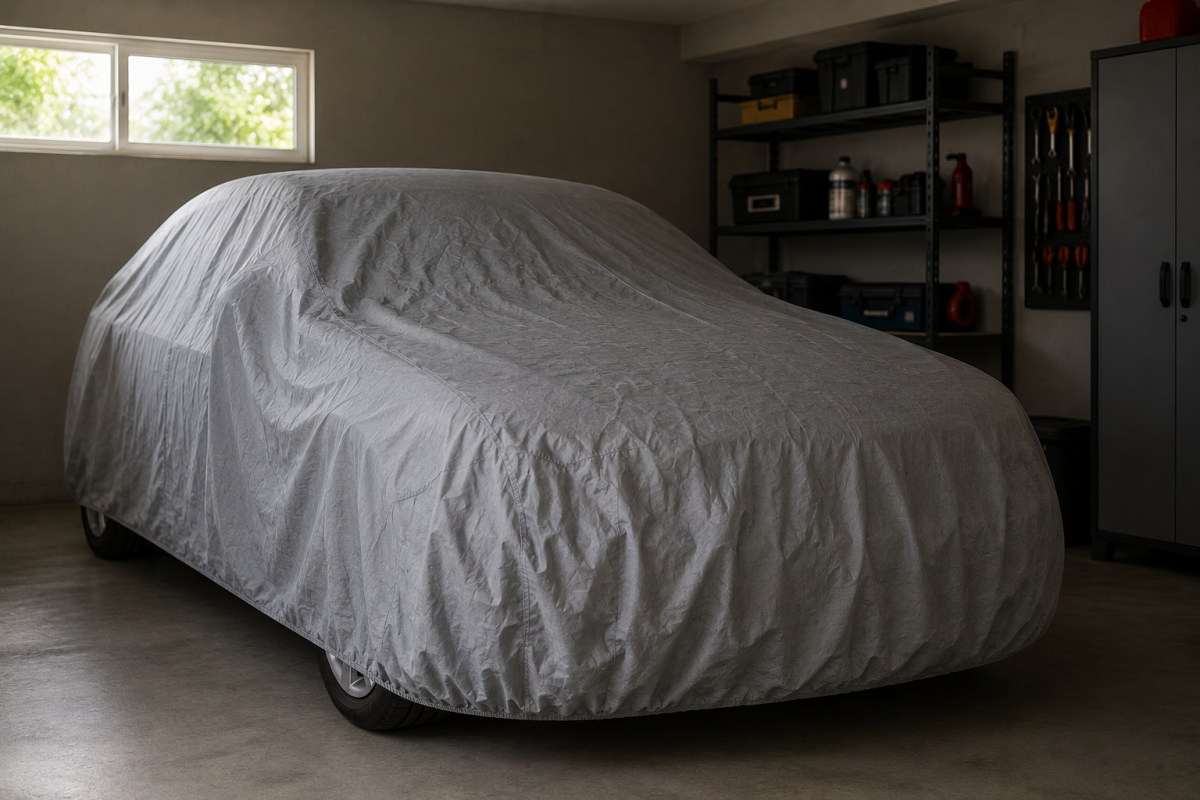
What happens when a car sits unused for a long time?
Not every vehicle is driven long distances every day. Many people own a second car, use their vehicle only on weekends, or leave it unused during extended trips. Although this situation may seem harmless, long periods without use can directly affect the automotive battery. Even with the engine turned off, some vehicle systems continue to consume power, and the battery itself naturally loses charge over time. If this period is prolonged, the risk of discharge, sulfation, and reduced service life increases significantly. Understanding what happens when a car remains unused for a long time helps preserve the battery and avoid surprises when it is time to use the vehicle again.
Continue reading
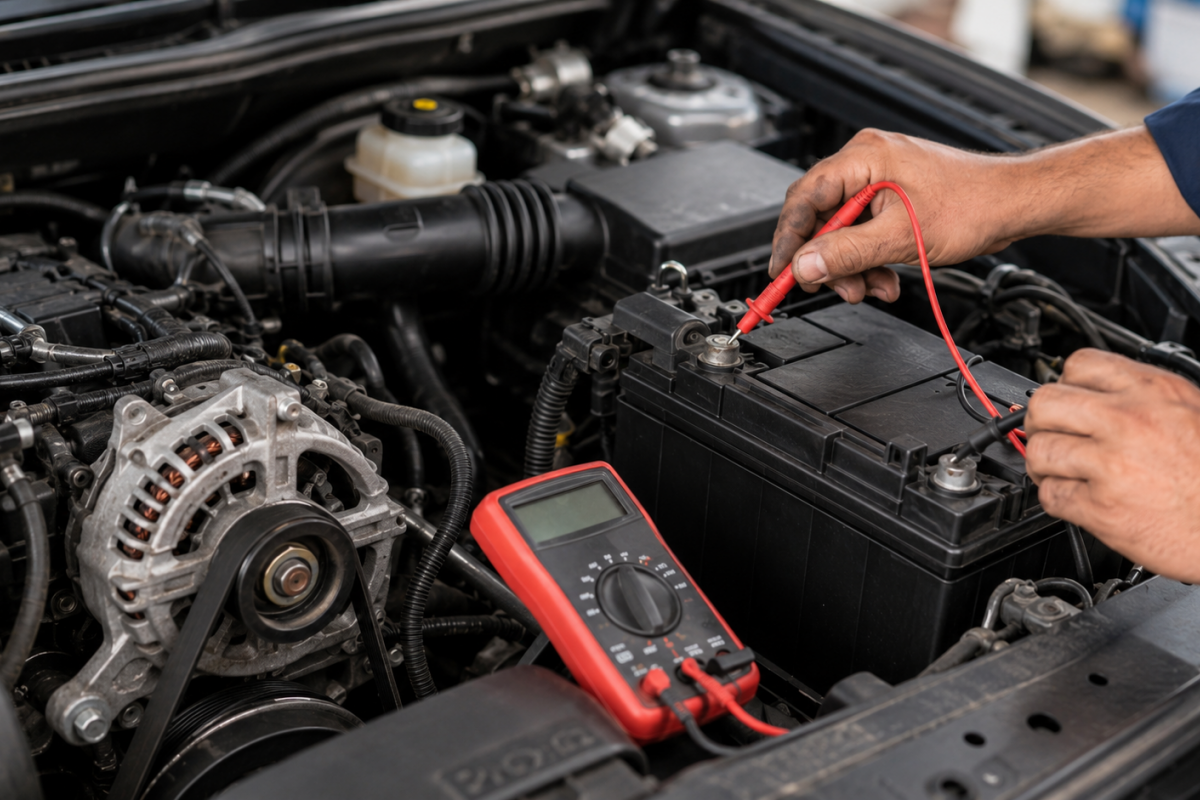
Automotive battery and alternator: what is the relationship between them?
It is common for a driver to experience difficulty starting, find the battery dead, and quickly conclude that it is time to replace it. However, the problem is not always the battery. The battery and the alternator work together to keep the vehicle's electrical system running correctly. When one of these components fails, the other ends up being affected as well, which can generate very similar symptoms and make diagnosis difficult. Therefore, understanding how the battery and alternator work together is essential to identify the source of possible failures and ensure that the electrical system operates safely and efficiently. When the battery needs to be replaced, it is also important to check whether the charging system is operating correctly to preserve the performance of the new component.
Continue reading
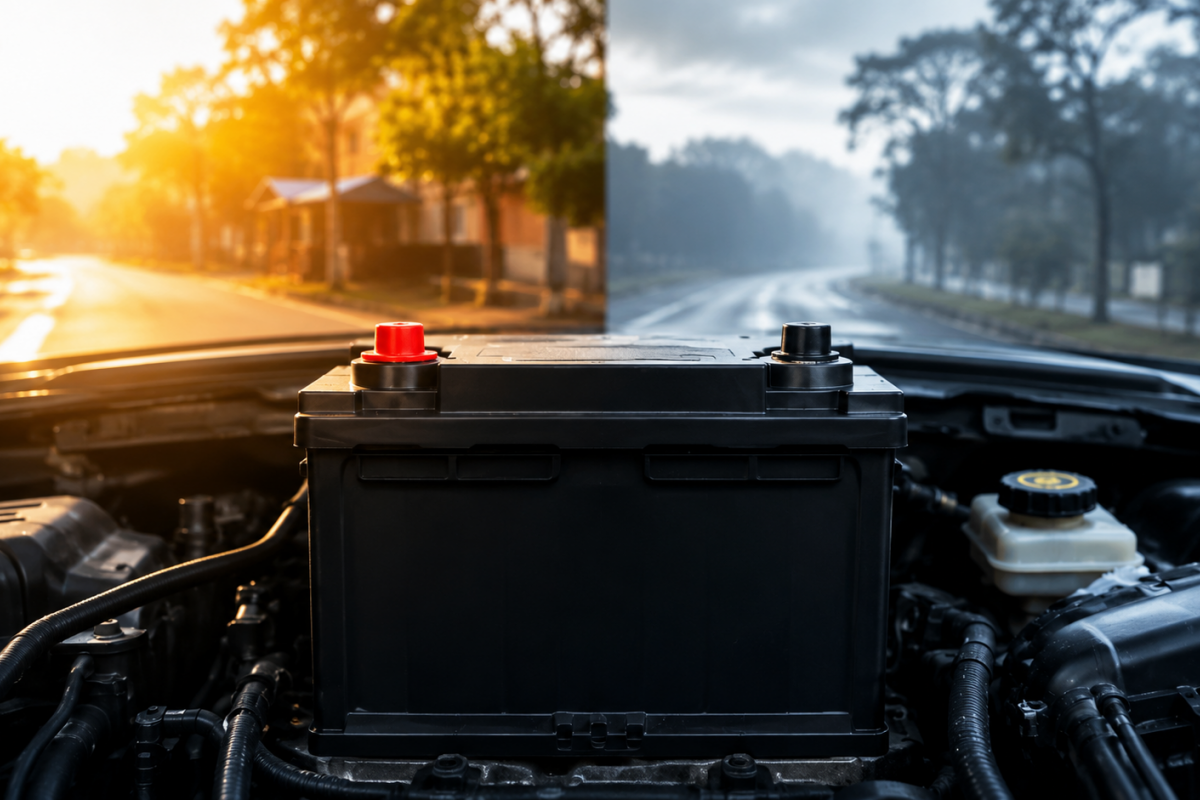
How temperature influences the useful life of the automotive battery
The automotive battery is constantly exposed to different environmental conditions. In some regions, intense heat predominates for much of the year. In others, lower temperatures become a challenge for the vehicle's electrical system. Although many drivers associate battery problems only with usage time, temperature is one of the factors that most influences its durability and performance. Both excessive heat and intense cold affect the chemical reactions that take place inside the battery, accelerating wear processes and reducing its ability to supply energy.
Continue reading