How temperature influences the useful life of the automotive battery
The automotive battery is constantly exposed to different environmental conditions. In some regions, intense heat predominates for much of the year. In others, lower temperatures become a challenge for the vehicle's electrical system.
Although many drivers associate battery problems only with usage time, temperature is one of the factors that most influences its durability and performance.
Both excessive heat and intense cold affect the chemical reactions that take place inside the battery, accelerating wear processes and reducing its ability to supply energy.
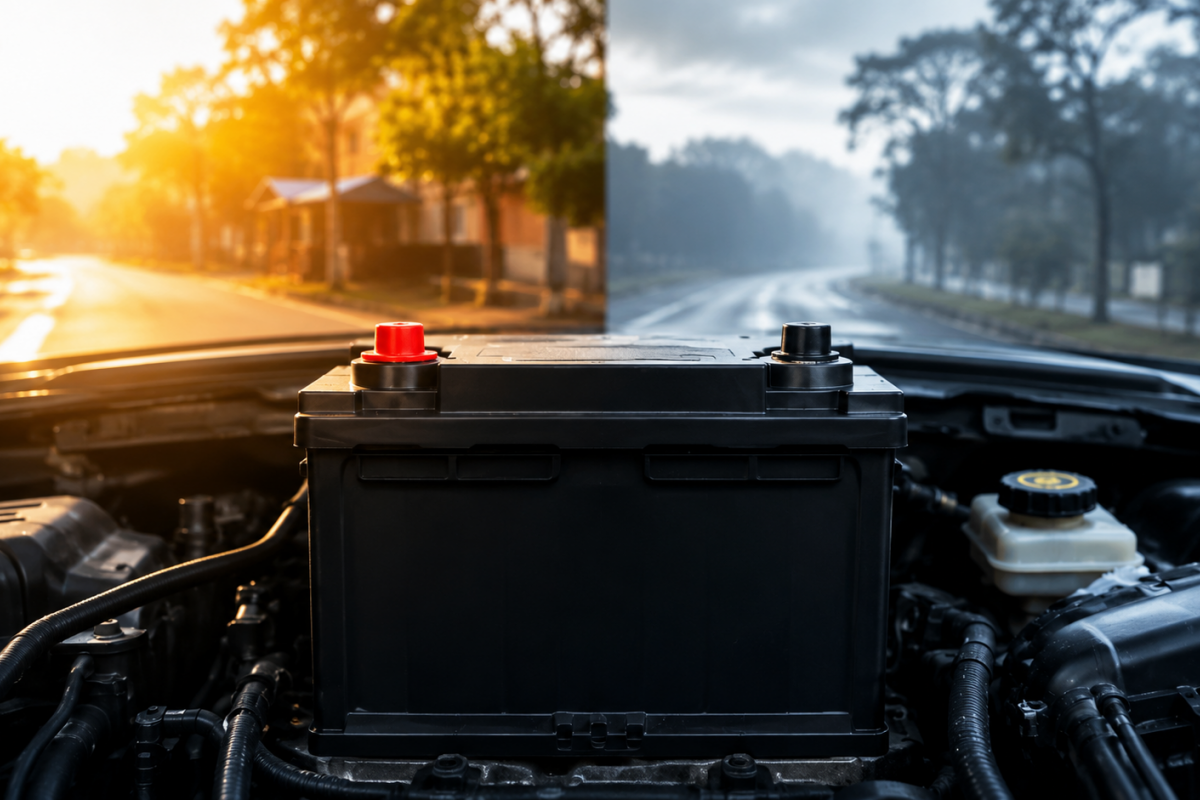
How does temperature affect battery performance?
The automotive battery works through electrochemical reactions between the lead plates and the electrolyte present inside it.
These reactions are directly influenced by temperature.
When the temperature rises, chemical reactions occur more rapidly.
When the temperature drops, they become slower.
This means that both heat and cold can impact battery performance, although in different ways.
The problem is that the negative effects do not always appear immediately. In many cases, internal wear occurs gradually until the first symptoms begin to emerge.
Why is heat considered one of the biggest enemies of the battery?
Contrary to what many people imagine, heat tends to be more damaging to the battery than cold.
High temperatures accelerate the chemical aging of internal components, increasing the speed of processes such as:
- grid corrosion: wear of the internal metal structures that conduct electrical current, reducing battery efficiency.
- active mass degradation: deterioration of the material responsible for storing and releasing energy, decreasing charge capacity.
- electrolyte evaporation: loss of the solution that allows current to flow between the plates, compromising battery operation.
- increased self-discharge: acceleration of the natural charge loss of the battery, even when the vehicle is turned off.
Over time, this wear reduces the battery's ability to store energy and compromises its electrical stability.
Therefore, vehicles that constantly operate in hot regions or remain parked under direct sun exposure tend to show accelerated battery wear.
This process is directly related to several factors that accelerate component wear, as shown in the article mistakes that reduce battery life, where we detail other habits and conditions that compromise the longevity of the automotive battery.
Can cold also damage the battery?
Yes, but in a different way.
At low temperatures, internal chemical reactions occur more slowly, temporarily reducing the battery's ability to provide current for starting.
At the same time, the engine requires more effort to run due to increased lubricant viscosity.
In practice, this means that:
- the battery delivers less energy
- the engine demands more energy to start
This combination explains why many batteries have difficulty starting during colder periods.
In some cases, cold is not the main cause of the problem, but simply reveals internal wear that already existed.
How to identify signs of temperature-related wear?
Symptoms usually appear gradually.
The most common include:
- slow starting
- difficulty starting in the morning
- electrical oscillation
- dimmer lighting
- intermittent electronic alerts
- frequent need for recharging
In more modern vehicles, small voltage drops can cause multimedia restarts, temporary failures in electronic modules, or dashboard alerts.
These behaviors are often mistaken for more complex electrical faults, when in fact they are related to battery aging.
In many cases, these symptoms appear before the battery fails definitively. In the article signs of a weak battery, we show how to identify these signs and understand when replacement becomes necessary.
Does temperature influence battery life?
Yes.
Although durability depends on several factors, temperature is one of the elements that most influences the speed of internal wear.
In addition to climate, the following also impact useful life:
- frequency of vehicle use
- quality of the charging system
- recharging pattern
- correct installation
- battery compatibility with the application
Therefore, two identical batteries can have different lifespans when operating in distinct environmental conditions.
Temperature is just one of the factors that determine the durability of the component.
To understand which other aspects affect battery longevity, also check the content how long does an automotive battery last.
How to reduce the impacts of temperature on the battery?
Although it is not possible to fully control the climate, some care helps minimize the effects of temperature on the battery:
- avoid long periods with the vehicle stopped
- keep the charging system in good condition
- carry out preventive maintenance
- periodically check the terminals
- avoid prolonged exposure to excessive heat whenever possible
- use the correct battery for the vehicle's application
- These measures help preserve electrical performance and reduce premature wear.
How does Tudor technology help face extreme temperatures?
Battery durability depends on the quality of materials, manufacturing processes, and compatibility with the application.
The Tudor line uses laminated and expanded plate technology, along with rigorous industrial processes that contribute to:
- better distribution of electrical current
- lower internal resistance
- greater electrical stability
- more uniform wear of the plates
These characteristics help maintain battery performance even under demanding conditions, reducing the impacts of natural aging over time.
Conclusion
Temperature has a direct influence on the functioning and useful life of the automotive battery.
While heat accelerates chemical aging and internal corrosion, cold temporarily reduces the ability to supply energy and increases the demand during starting.
Therefore, understanding the effects of temperature helps to identify signs of wear, avoid unexpected failures, and increase battery life.
In addition to climate factors, correct application, preventive maintenance, and battery quality remain essential to ensure reliable performance over time.
To continue learning about automotive batteries, follow the technical content available on the Tudor blog.
If you have questions about the ideal battery for your vehicle, contact Tudor's technical team for assistance in choosing the correct application.
Frequently asked questions about temperature and automotive battery
Does heat damage the car battery?
Yes. High temperatures accelerate the chemical aging of the battery, increasing corrosion, self-discharge, and wear of internal components.
Can cold discharge the battery?
Cold temporarily reduces the battery's ability to provide current for starting, especially when it already shows signs of wear.
Which temperature is more harmful to the battery?
In general, excessive heat tends to cause more permanent damage than cold.
How to extend battery life in very hot regions?
Keeping the charging system in good condition, avoiding long periods of inactivity, and using the correct battery for the vehicle help reduce the effects of heat.
Read also

What happens when a car sits unused for a long time?
Not every vehicle is driven long distances every day. Many people own a second car, use their vehicle only on weekends, or leave it unused during extended trips. Although this situation may seem harmless, long periods without use can directly affect the automotive battery. Even with the engine turned off, some vehicle systems continue to consume power, and the battery itself naturally loses charge over time. If this period is prolonged, the risk of discharge, sulfation, and reduced service life increases significantly. Understanding what happens when a car remains unused for a long time helps preserve the battery and avoid surprises when it is time to use the vehicle again.
Continue reading
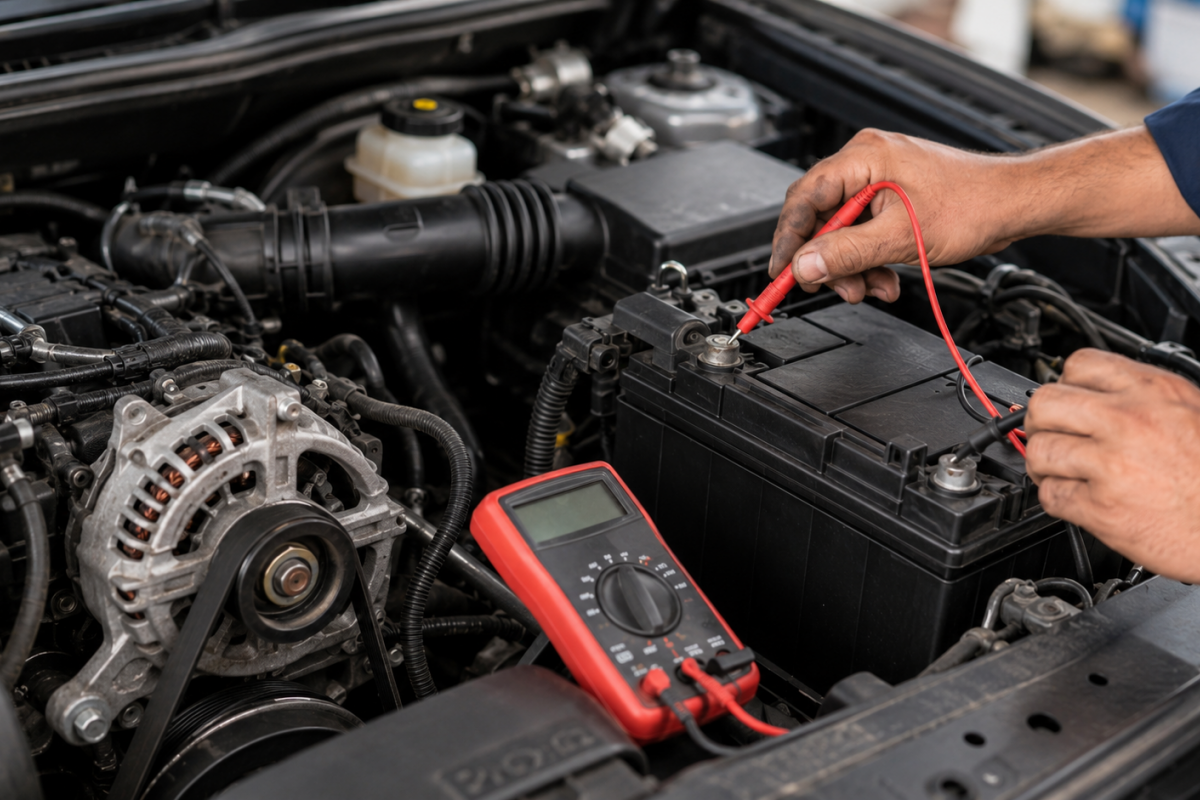
Automotive battery and alternator: what is the relationship between them?
It is common for a driver to experience difficulty starting, find the battery dead, and quickly conclude that it is time to replace it. However, the problem is not always the battery. The battery and the alternator work together to keep the vehicle's electrical system running correctly. When one of these components fails, the other ends up being affected as well, which can generate very similar symptoms and make diagnosis difficult. Therefore, understanding how the battery and alternator work together is essential to identify the source of possible failures and ensure that the electrical system operates safely and efficiently. When the battery needs to be replaced, it is also important to check whether the charging system is operating correctly to preserve the performance of the new component.
Continue reading
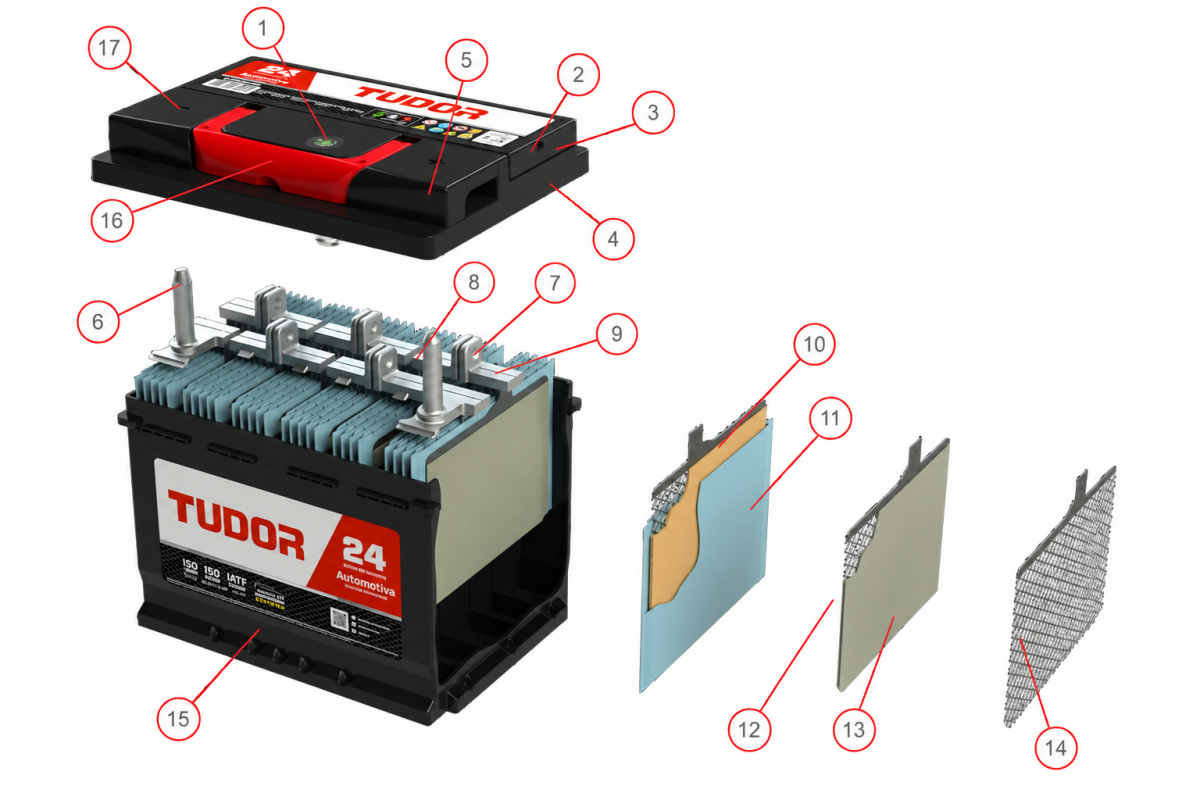
How Tudor ensures quality and safety for its automotive batteries
In modern vehicles, the battery is no longer just a component responsible for starting the engine. Today, it directly supports the vehicle’s electrical stability, powering electronic modules, multimedia systems, electric steering, sensors, and intelligent energy management systems. This means that any electrical fluctuation can directly affect the vehicle’s operation. For this reason, construction quality, voltage stability, and operational safety have become fundamental factors in the development of an automotive battery. Within this scenario, Tudor works with rigorous industrial processes, advanced technical control, and technologies developed to ensure consistent performance throughout the battery’s service life.
Continue reading