Automotive Battery Is it worth having an automotive battery charger at home?
A battery charger is usually cheaper than a new battery, which is why many people wonder whether it is worth buying a charger to “recharge” the battery when the vehicle won’t start. This question is common, especially among drivers who use their car, motorcycle, boat, or jet ski infrequently, or who have already experienced unexpected battery discharge. The short answer is: it depends on the usage and the condition of the battery. In some scenarios, a charger can be very helpful. In others, it only postpones a bigger problem.
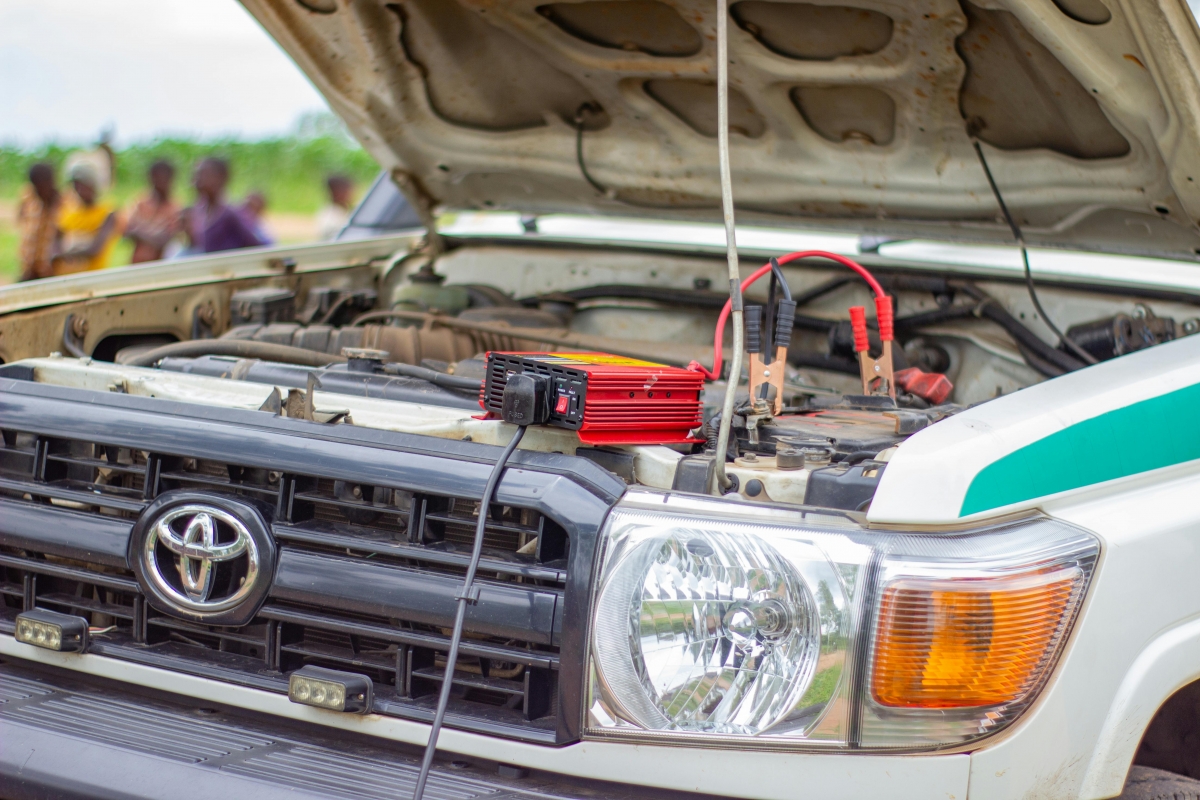
What is an automotive battery charger used for?
An automotive charger is used to restore the battery’s charge when the car cannot do this naturally, either due to lack of use or various issues that we explain in detail in this article about a car battery reaching the end of its life.
It is mainly useful for emergency recharging and for recovering batteries that have lost charge due to leaving the lights on, several days without use, or limited urban driving with short trips.
In these situations, the charger does not act as a definitive solution.
Does a charger fix a weak or worn-out battery?
No. A charger does not restore a battery that has reached the end of its service life.
If the battery already shows:
- Irregular starting
- Electrical fluctuations
- Rapid loss of charge even after recharging
The problem is usually internal wear. The charger may allow the car to start temporarily, but it does not solve the root cause. You may even reach your destination after starting the car, but you might not be able to start it again to return.
In which cases is a charger really worth it?
A charger is worth it when the battery is still in good condition but suffers from improper usage.
Common scenarios include:
- Infrequently used vehicles
- Cars that stay parked in the garage for long periods
- A family’s second car
- Collector vehicles
In these cases, maintaining the charge helps prevent deep discharges, which accelerate battery wear.
Does a charger replace the car’s alternator?
No. The alternator is responsible for charging the battery while the vehicle is running.
If the battery discharges even while the car is being used, there may be:
- Alternator failure
- Parasitic drain
- Electrical issues
These situations are explained in detail in this article about why a battery discharges quickly, which helps identify when the problem is not the battery itself.
Does having a charger increase battery life?
It can help, as long as it is used correctly.
Manufacturers that produce batteries with greater electrical stability, such as Tudor, tend to show better results with preventive recharging when the battery is still within its service life.
In summary, is it worth having an automotive charger?
- It is worth it for cars that remain parked for long periods
- It helps with preventive maintenance
- It does not restore worn-out batteries
- It does not replace the alternator or battery replacement
A charger is an ally, not a miracle solution. Knowing how to identify the real condition of the battery is what determines whether it will be useful or just a temporary fix.
If you want to deepen your knowledge and make safer decisions about automotive batteries, visit the Tudor blog. There you will find other technical, explanatory, and up-to-date content about battery lifespan, signs of wear, and battery types.
Read also

What happens when a car sits unused for a long time?
Not every vehicle is driven long distances every day. Many people own a second car, use their vehicle only on weekends, or leave it unused during extended trips. Although this situation may seem harmless, long periods without use can directly affect the automotive battery. Even with the engine turned off, some vehicle systems continue to consume power, and the battery itself naturally loses charge over time. If this period is prolonged, the risk of discharge, sulfation, and reduced service life increases significantly. Understanding what happens when a car remains unused for a long time helps preserve the battery and avoid surprises when it is time to use the vehicle again.
Continue reading
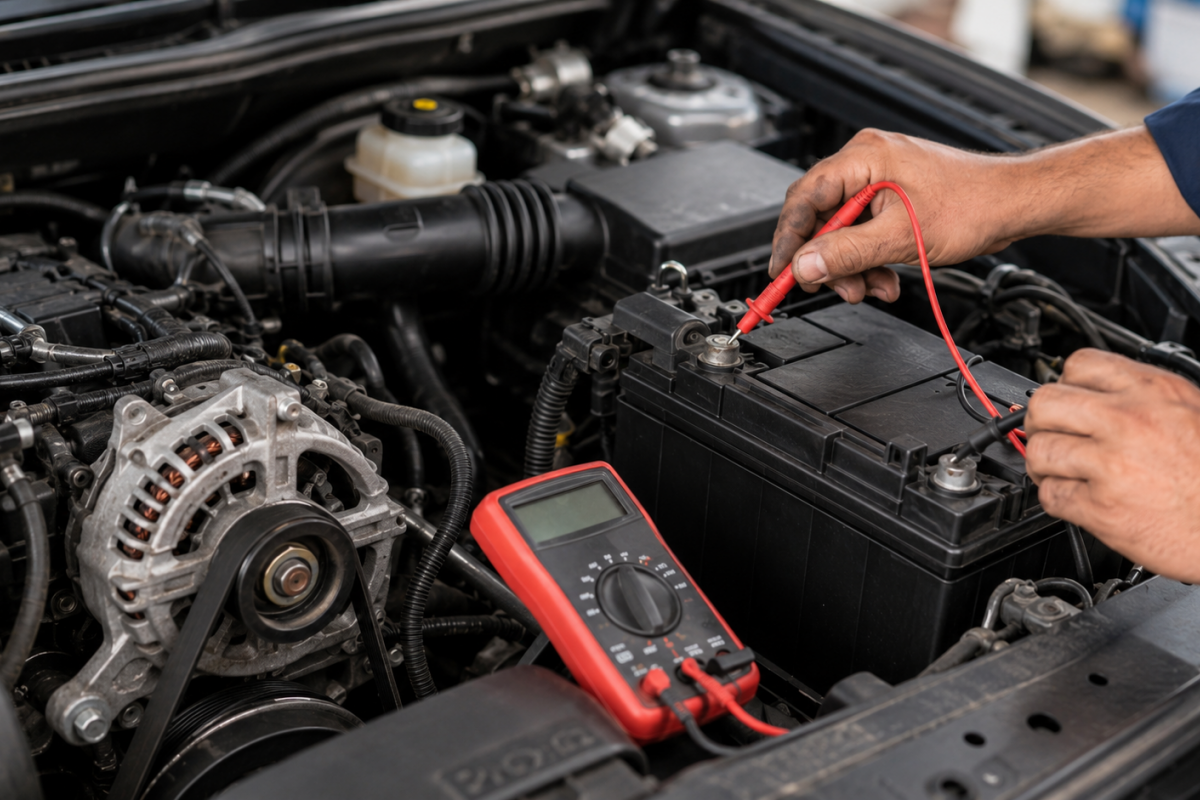
Automotive battery and alternator: what is the relationship between them?
It is common for a driver to experience difficulty starting, find the battery dead, and quickly conclude that it is time to replace it. However, the problem is not always the battery. The battery and the alternator work together to keep the vehicle's electrical system running correctly. When one of these components fails, the other ends up being affected as well, which can generate very similar symptoms and make diagnosis difficult. Therefore, understanding how the battery and alternator work together is essential to identify the source of possible failures and ensure that the electrical system operates safely and efficiently. When the battery needs to be replaced, it is also important to check whether the charging system is operating correctly to preserve the performance of the new component.
Continue reading
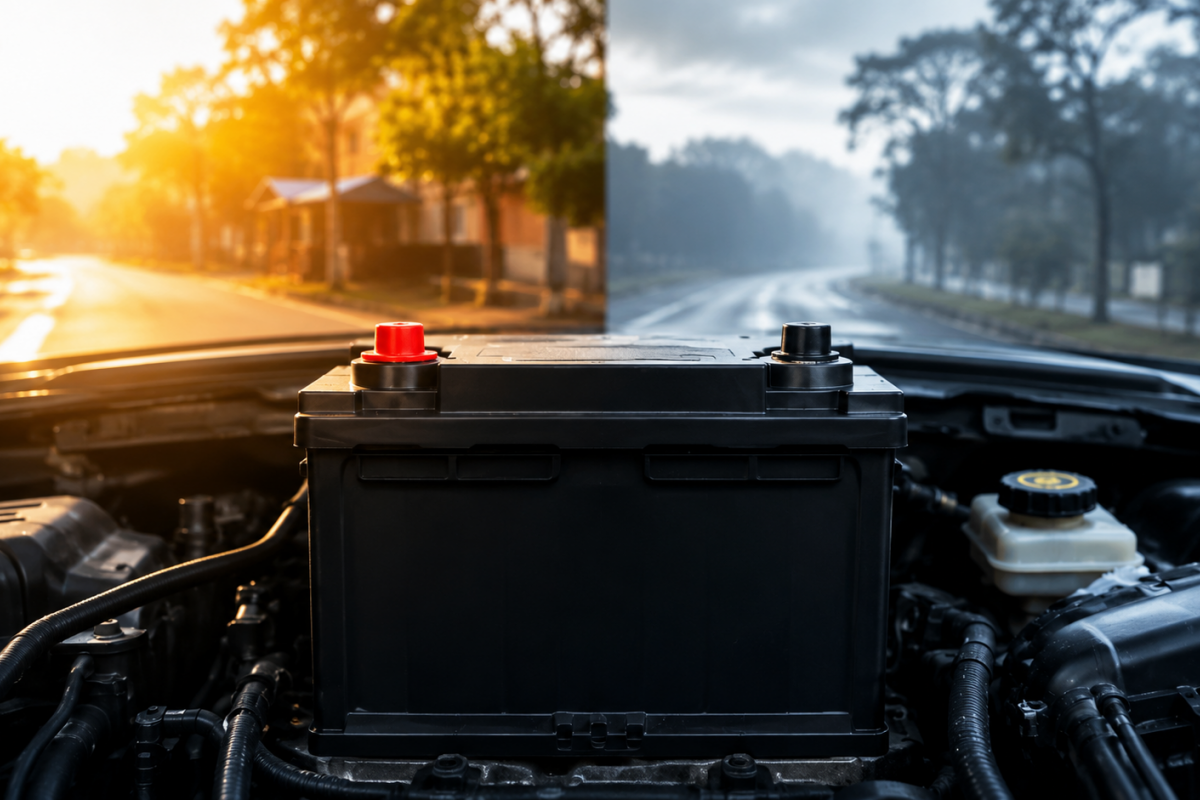
How temperature influences the useful life of the automotive battery
The automotive battery is constantly exposed to different environmental conditions. In some regions, intense heat predominates for much of the year. In others, lower temperatures become a challenge for the vehicle's electrical system. Although many drivers associate battery problems only with usage time, temperature is one of the factors that most influences its durability and performance. Both excessive heat and intense cold affect the chemical reactions that take place inside the battery, accelerating wear processes and reducing its ability to supply energy.
Continue reading