Tudor Baterias

Link copiado para a área de transferência!
Automotive Battery

Common Mistakes That Reduce Your Car Battery’s Lifespan and How to Avoid Them

Have you ever gotten into your car, tried to start it, and been greeted by nothing but silence? Most of the time, this situation doesn’t happen by chance. A battery’s lifespan is often shortened by everyday habits that go unnoticed but cause continuous wear. Although it is common to hear that a battery lasts two to four years, this timeframe is not fixed. The actual durability depends directly on usage, maintenance, and choosing the correct model. Below are the main mistakes that reduce battery lifespan and how to avoid them in practice.

homem olhando preocupado para bateria do carro

What Really Influences Battery Lifespan?

A battery does not work alone. It is part of a system that includes:

  • Electrical system
  • Alternator
  • Cables and terminals
  • Onboard electronics
  • Vehicle usage patterns

When any of these factors are not working properly, the battery ends up operating under excessive load, even if it still “works.”

1. Using the Car Only for Short Trips

Driving only short distances may seem harmless, but it is one of the most common mistakes.

During short trips:

  • The energy used during startup is not fully restored
  • The alternator does not have enough time to recharge the battery
  • The battery constantly operates with an incomplete charge

Over time, this accelerates sulfation of the internal plates and explains many cases where a battery discharges quickly, even when it is relatively new.

2. Leaving Headlights, Lights, or Accessories On

Headlights, interior lights, multimedia systems, and USB chargers continue consuming energy even with the engine turned off.

This passive consumption:

  • Drains the battery charge
  • Can cause deep discharges
  • Reduces recovery capacity

Creating the habit of checking everything before leaving the car is simple but prevents months of accumulated wear.

3. Ignoring Signs From the Electrical System

Flickering lights, difficulty starting, and intermittent dashboard failures should not be ignored.

These signs may indicate:

  • Poor contact in cables
  • Oxidation in terminals
  • Alternator failures

When the electrical system does not work properly, the battery is forced to operate beyond ideal conditions.

4. Installing Electrical Accessories Without Proper Preparation

Alarms, trackers, powerful sound systems, and other accessories significantly increase the vehicle’s electrical consumption.

When these items are installed without:

  • Electrical reinforcement
  • Proper cable sizing
  • Alternator capacity evaluation

The battery begins operating outside its ideal range, generating heat and premature wear.

5. Leaving the Car Parked for Long Periods

Even when turned off, the vehicle continues to consume energy to maintain:

  • Alarm systems
  • Electronic modules
  • Comfort systems

After several days or weeks without use, the battery may reach critical discharge levels. Ideally, the car should be started at least once a week and left running for a few minutes.

6. Lack of Preventive Maintenance on Terminals

Dirt, moisture, and oxidation on battery terminals increase electrical resistance and make current flow more difficult.

This problem:

  • Impairs battery recharging
  • Generates heat
  • Puts stress on the electrical system

A simple periodic visual inspection helps preserve battery life and avoid unexpected failures.

7. Using the Wrong Battery for the Vehicle

Every vehicle has its own electrical specification.

Installing a battery with:

  • Lower amperage
  • Inadequate CCA
  • Incorrect technology

Is a serious technical mistake. This often happens when people evaluate only the price or physical size, ignoring important technical criteria.

8. Using a Conventional Battery in Start-Stop Vehicles

Vehicles equipped with Start-Stop systems require EFB or AGM batteries.

When a conventional battery is used:

  • The Start-Stop system stops functioning properly
  • The battery experiences accelerated wear
  • Its lifespan may drop to only a few months

Simple Habits That Help Extend Battery Life

Some daily practices make a big difference:

  • Start the car regularly
  • Avoid prolonged use of accessories with the engine off
  • Keep cables and terminals clean
  • Follow the correct battery specification
  • Perform periodic electrical system diagnostics

These precautions directly influence how long an automotive battery lasts in real-world use.

How the Tudor Line Contributes to Greater Durability

Tudor batteries are developed to operate with:

  • Electrical stability
  • Consistent CCA performance
  • Technologies suitable for both modern and traditional vehicles

When applied correctly, they work in balance with the vehicle’s electrical system, reducing failures and premature wear.

Conclusion

In most cases, a battery does not fail suddenly. It wears out gradually, responding directly to how the vehicle is used and maintained.

Avoiding the mistakes presented in this guide is the best way to save money, prevent unexpected breakdowns, and ensure the battery reaches its maximum lifespan.

To keep learning about maintenance, diagnostics, and battery technologies, explore other technical articles on the Tudor blog.

And if you still have questions about the ideal battery for your vehicle, contacting Tudor’s technical team is the safest way to ensure the correct choice and application.


Read also

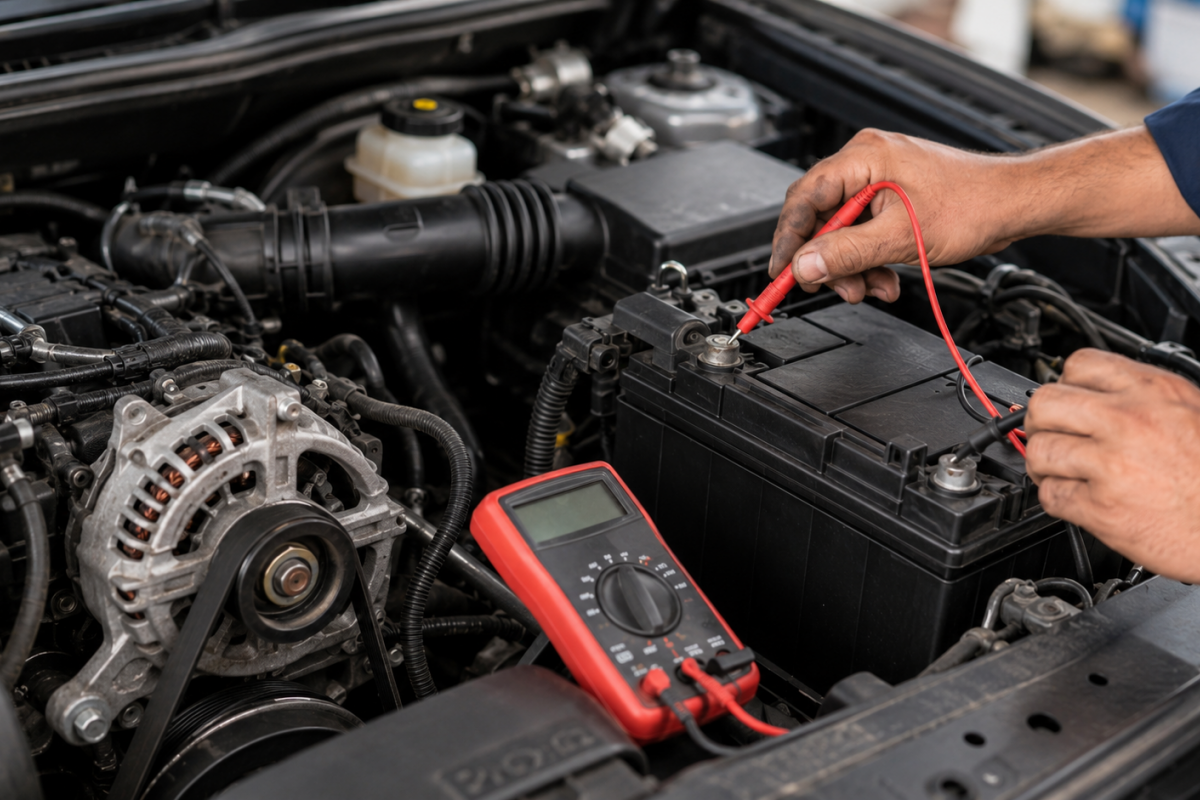
mecânico verificando bateria automotiva no carro
Automotive Battery

Most common myths about car batteries and what is actually true

Car batteries are surrounded by outdated information, informal advice, and popular beliefs that do not always reflect the technical reality of modern vehicles. Many of these myths lead drivers to choose the wrong battery, delay replacement, or misinterpret electrical warning signs. In this article, you will understand the most common myths about automotive batteries and what is truly correct from a technical perspective.

Continue reading

carregador automotivo para carregar a bateria do carro
Automotive Battery

Automotive Battery Is it worth having an automotive battery charger at home?

A battery charger is usually cheaper than a new battery, which is why many people wonder whether it is worth buying a charger to “recharge” the battery when the vehicle won’t start. This question is common, especially among drivers who use their car, motorcycle, boat, or jet ski infrequently, or who have already experienced unexpected battery discharge. The short answer is: it depends on the usage and the condition of the battery. In some scenarios, a charger can be very helpful. In others, it only postpones a bigger problem.

Continue reading

mecânico realizando diagnóstico em bateria automotiva
Automotive Battery

Is your car battery reaching the end? See the signs before failure

Contrary to what many drivers believe, a car battery rarely stops working suddenly. Most of the time it undergoes a progressive wear process, showing subtle signs weeks or months before total failure. Understanding this behavior is essential to act preventively, avoiding unexpected breakdowns, towing and everyday disruptions.

Continue reading