Which battery brand lasts the longest? Learn what really makes the difference
The question of which battery brand lasts the longest is common among drivers, especially when they want to avoid failures and repeated expenses. However, durability doesn’t depend only on the brand—it also depends on manufacturing technology and the quality of the materials used.
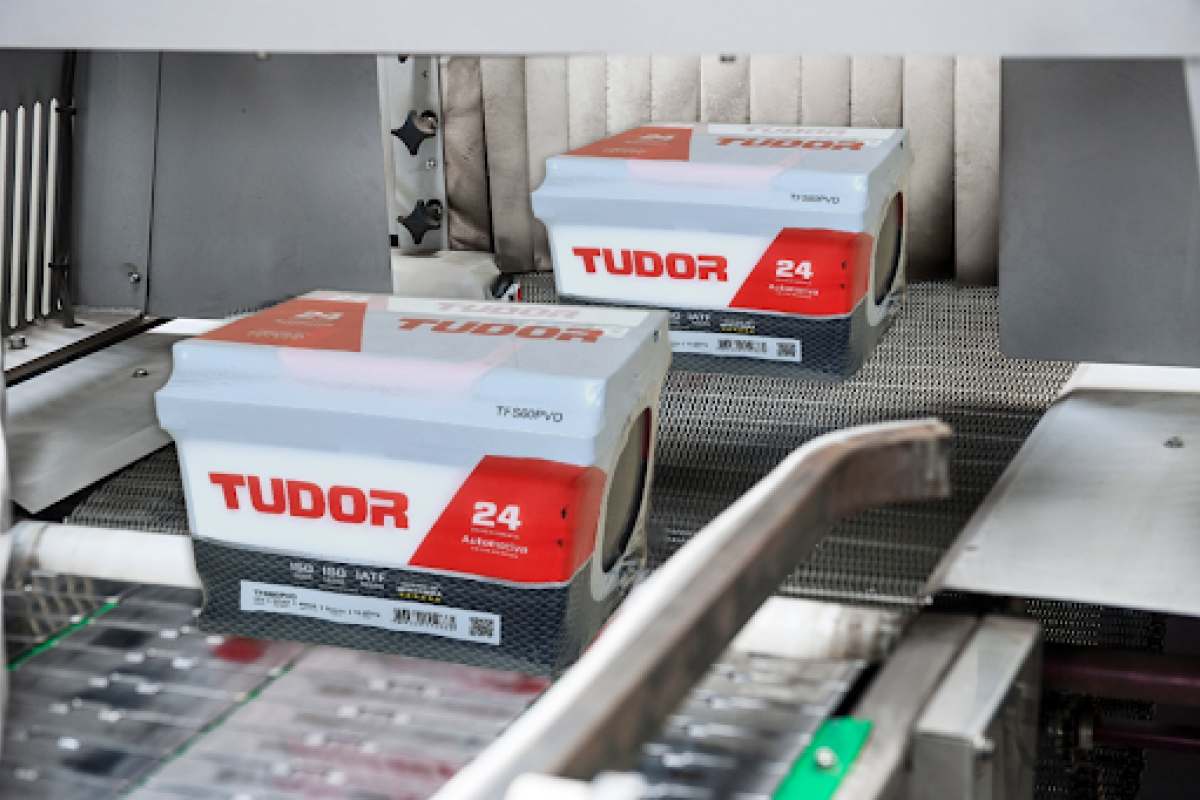
Which battery brand lasts the longest?
The brands that last the longest are those that use consistent industrial processes, reinforced plates, and high-purity materials, ensuring greater resistance to wear.
In the Brazilian market, the brands with the greatest durability usually feature:
- Standardized and automated production
- Strict quality control
- In-line electrical testing
- High-density components
These factors often matter more than the “brand name” itself.
What really defines a battery’s durability?
Durability is defined by the quality of the internal plates, material purity, resistance to vibration, and electrical stability.
In practical terms, a battery lasts longer when it has:
- More robust plates
- Strong sealing
- Lower electrolyte loss
- Good heat dissipation
- Consistent factory testing
Do all brands have the same durability?
No. Brands with more advanced processes generally deliver a longer service life.
The difference shows up especially in:
- Short urban trips
- High temperatures
- Cars with higher electrical demand
In these scenarios, lower-quality batteries tend to wear out faster.
Is Tudor known for good durability?
Yes. Tudor uses production processes that increase electrical stability, which contributes to greater durability in real-world use.
Tudor batteries are manufactured with laminated and expanded plates, a process that improves starting consistency and reduces performance drops over time.
Why do some drivers have such different experiences with brands?
Because daily use influences battery life just as much as battery quality.
Two identical batteries can last for very different lengths of time depending on:
- Vehicle routine
- Regional climate
- Alternator condition
- Number of electrical accessories
- Frequency of starts
How do you choose the most durable brand for your car?
Choose brands that provide clear technical information and a proven track record of reliability.
Quick checklist:
- Look for brands with consistent manufacturing
- Check for nationwide warranty coverage
- Prefer brands with good customer support
- Follow the vehicle manufacturer’s recommendations
- Avoid products of questionable origin
In summary, the most durable brands are those that combine:
- Advanced manufacturing technology
- Reinforced plates
- Rigorous quality control
- Proven electrical stability
- Vehicle manufacturer recommendations
Durability isn’t just about the brand name—it’s about the technology behind it and how well it matches your car.
Read also
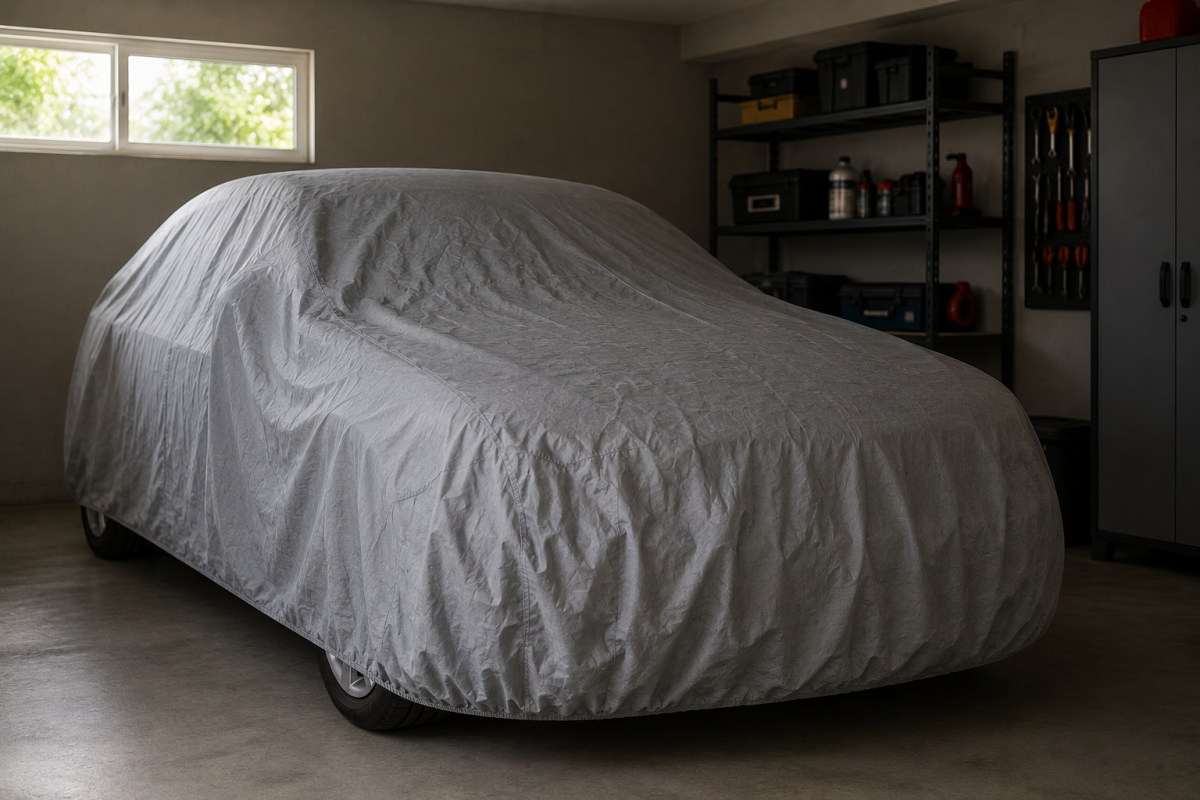
What happens when a car sits unused for a long time?
Not every vehicle is driven long distances every day. Many people own a second car, use their vehicle only on weekends, or leave it unused during extended trips. Although this situation may seem harmless, long periods without use can directly affect the automotive battery. Even with the engine turned off, some vehicle systems continue to consume power, and the battery itself naturally loses charge over time. If this period is prolonged, the risk of discharge, sulfation, and reduced service life increases significantly. Understanding what happens when a car remains unused for a long time helps preserve the battery and avoid surprises when it is time to use the vehicle again.
Continue reading
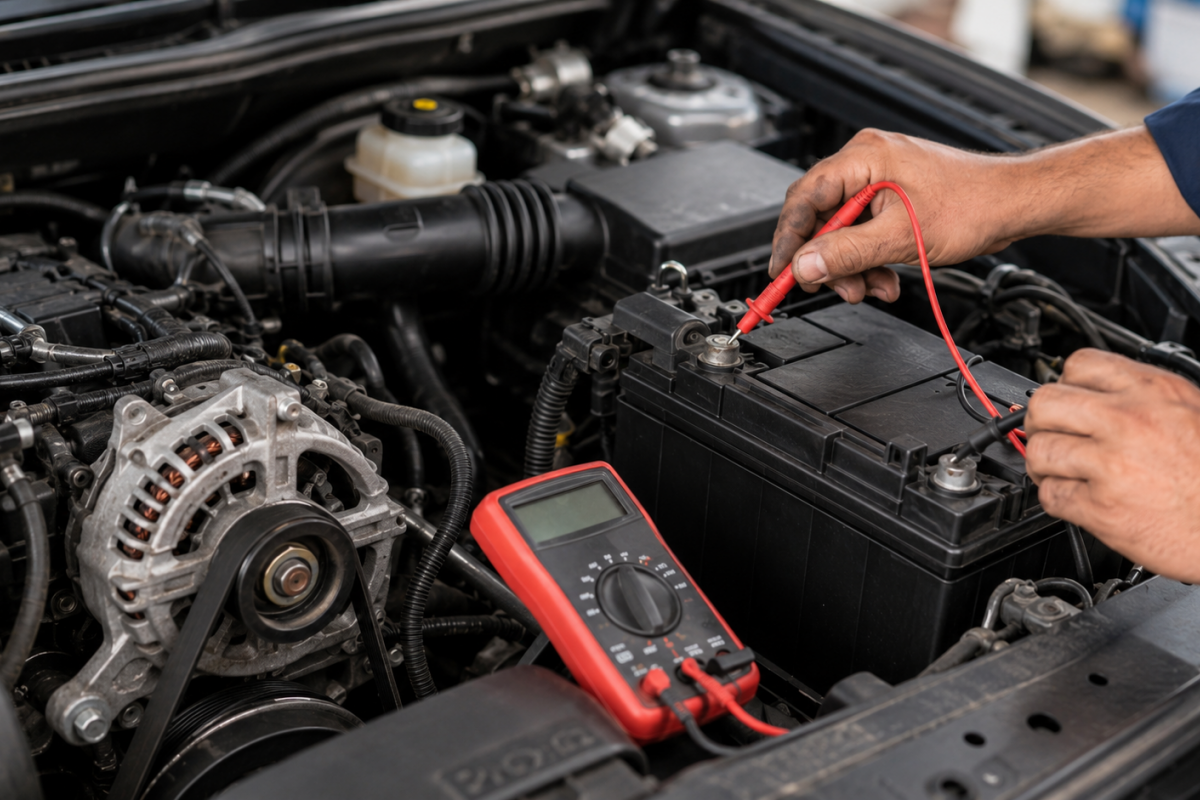
Automotive battery and alternator: what is the relationship between them?
It is common for a driver to experience difficulty starting, find the battery dead, and quickly conclude that it is time to replace it. However, the problem is not always the battery. The battery and the alternator work together to keep the vehicle's electrical system running correctly. When one of these components fails, the other ends up being affected as well, which can generate very similar symptoms and make diagnosis difficult. Therefore, understanding how the battery and alternator work together is essential to identify the source of possible failures and ensure that the electrical system operates safely and efficiently. When the battery needs to be replaced, it is also important to check whether the charging system is operating correctly to preserve the performance of the new component.
Continue reading
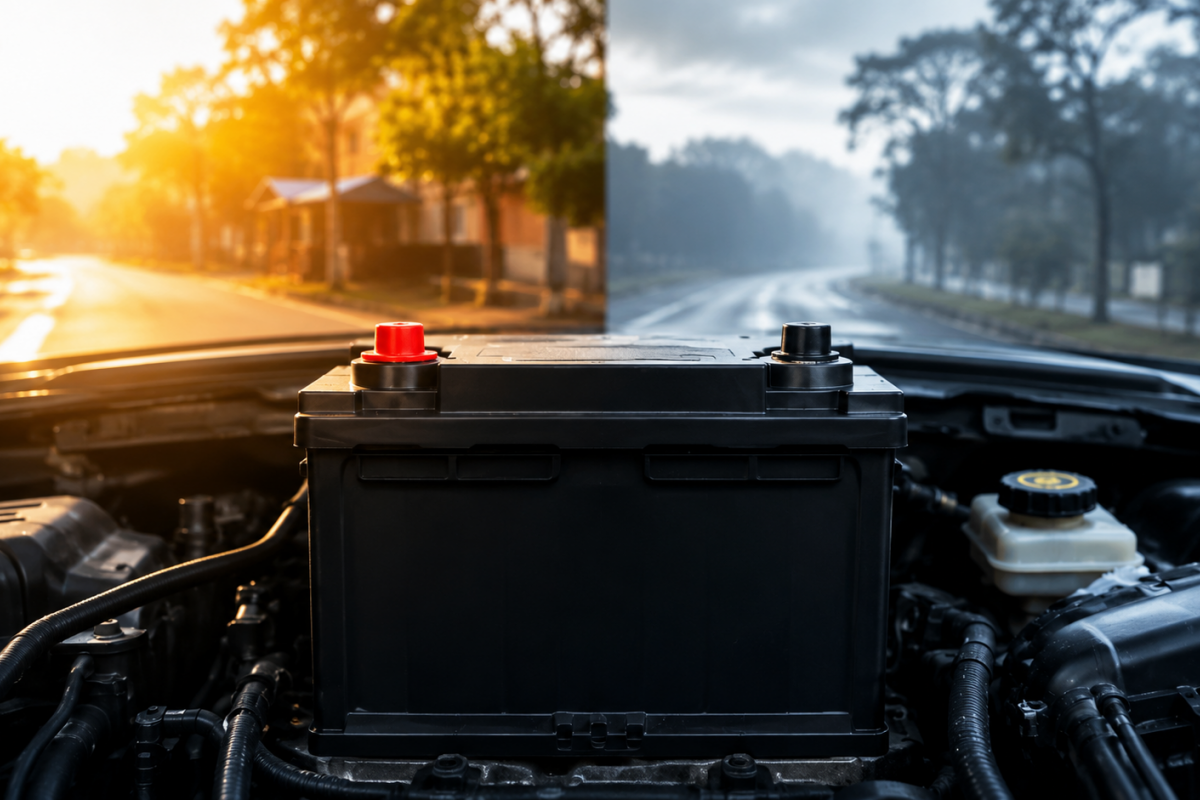
How temperature influences the useful life of the automotive battery
The automotive battery is constantly exposed to different environmental conditions. In some regions, intense heat predominates for much of the year. In others, lower temperatures become a challenge for the vehicle's electrical system. Although many drivers associate battery problems only with usage time, temperature is one of the factors that most influences its durability and performance. Both excessive heat and intense cold affect the chemical reactions that take place inside the battery, accelerating wear processes and reducing its ability to supply energy.
Continue reading